
Currently Empty: 0,00 €


Cooking
A Culinary Adventure for Your Taste Buds
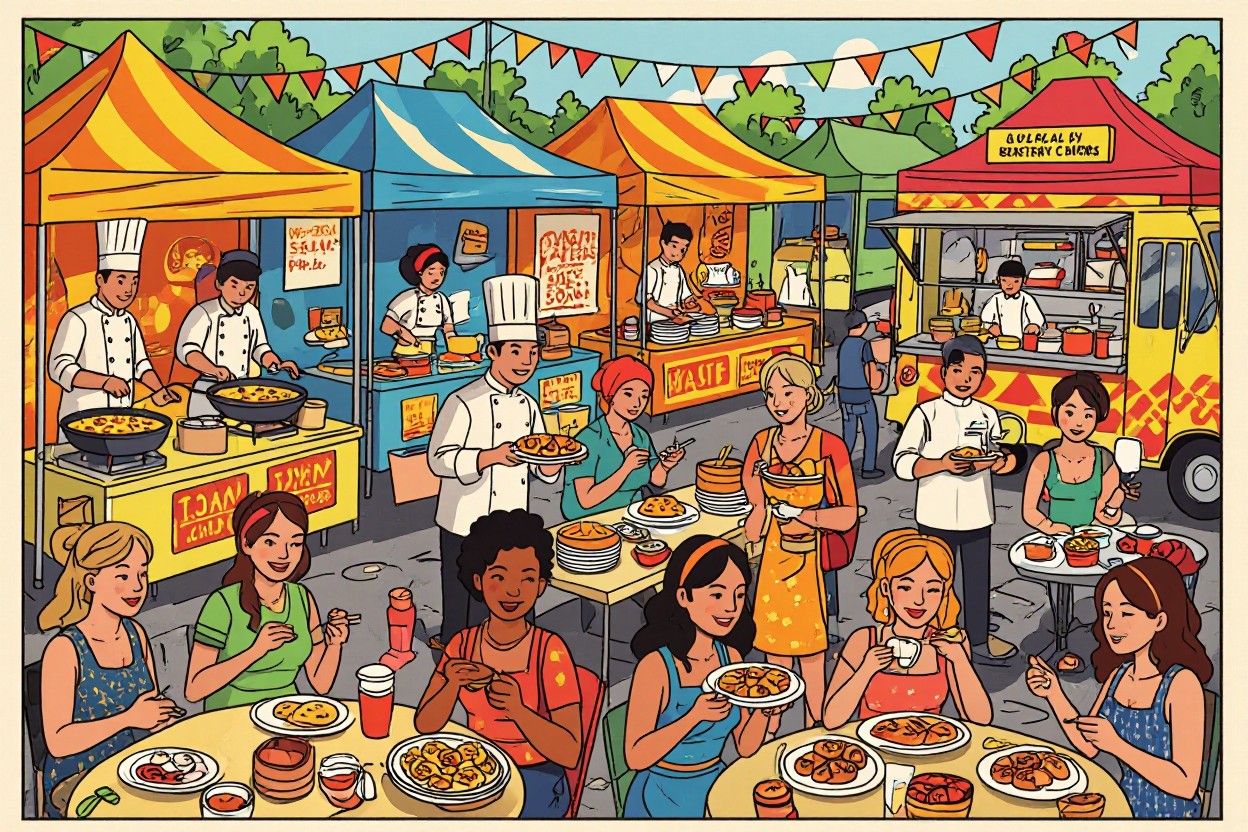
Many food traditions and modern techniques converge to expand your palate, guiding you through flavor profiles, ingredient pairings, and cooking methods you can apply at home; this guide gives clear steps, credible tips, and menu ideas so you can explore global cuisines confidently and elevate your daily meals into memorable dining experiences.
Discovering Global Flavors: A Journey Through Culinary Regions
The Spices of India: A Symphony of Aromas
You encounter turmeric’s golden warmth, cumin’s earthiness, cardamom’s floral lift and mustard seed’s snap as foundational notes; regional blends like garam masala in the north and coconut-and-curry-leaf profiles in the south create distinct palettes. You can taste these layers in a Hyderabadi biryani, Mumbai street-style pav bhaji or a crisp masala dosa, where toasting and tempering whole spices release volatile oils that define each dish.
The Freshness of Mediterranean Cuisine: A Taste of the Coast
You find simplicity driven by quality—extra-virgin olive oil, ripe tomatoes, briny olives, citrus, fresh herbs and daily-caught seafood. Greek salads, Sicilian caponata and Spanish grilled sardines showcase bright acidity and herbaceous depth; many coastal menus emphasize seasonal produce and seafood 2–3 times per week, letting minimal cooking techniques highlight texture and origin.
You can elevate dishes with techniques like quick charring, curing and preserving: grill whole branzino over high heat with lemon and rosemary, cure anchovies for umami, or slow-roast tomatoes for concentrated sweetness. Regional touches—Provençal herbes de Provence, Sicilian citrus and Levantine sumac—pair with staples such as capers, preserved lemons and verdant olive oil; you’ll notice wine pairings often follow local varietals, enhancing terroir-driven meals.
The Richness of Latin American Dishes: A Celebration of Ingredients
You experience corn, beans, chili peppers, avocado and cacao as core building blocks: nixtamalized masa for tortillas and tamales, avocado in ceviche and chocolate in complex moles. Mexican tacos al pastor, Peruvian ceviche and Venezuelan arepas reveal technique-driven depth, where chiles and native staples create vibrant, regionally specific flavor signatures.
You can trace methods across regions: nixtamalization—developed by Mesoamerican cultures over millennia—transforms corn into pliable, nutrient-rich masa; Peruvian chefs use immediate citrus “cooking” of corvina for ceviche, while Oaxacan mole often blends 20–30 ingredients including toasted seeds, chilies and chocolate for layered heat and sweetness. Brazilian feijoada, Caribbean jerk marinades and Andean quinoa stews illustrate how indigenous crops meet global influences in your plate.
The Culinary Alchemy: Transforming Ordinary Ingredients
The Art of Combining Flavors: Achieving Umami Perfection
Layer kombu, dried shiitake and bonito like in a dashi to exploit glutamate/inosinate synergy, then finish with 1 tsp miso or 1 tbsp soy per cup of stock for depth; aged Parmesan rinds, slow-roasted tomatoes and a touch of anchovy will lift sauces and braises, giving your dishes sustained savory weight without relying on excess salt.
Mastering Cooking Techniques: From Searing to Sous-Vide
Get a blistering Maillard crust by patting protein dry and searing at 200–260°C (400–500°F) for 30–90 seconds per side, or use sous-vide to hold steak at 54°C (129°F) for 1–2 hours for consistent medium-rare before a brief high-heat finish; combine both methods to control doneness and maximize flavor and texture.
Understand that Maillard requires surface dryness and temperatures above ~140°C (284°F) so salt early, dry thoroughly, then sear in a hot pan or cast-iron skillet for rapid browning—avoid overcrowding. Sous-vide gives you precision: 54°C for medium-rare steak, 60°C for medium, and 65–68°C for safely textured chicken; typical sous-vide times range from 1–4 hours depending on cut thickness. Use a high-heat flash sear (30–60 seconds per side) after sous-vide to regenerate crust without overcooking the interior, and always finish with a thermometer or quick press test to confirm doneness.
Deconstructing Dishes: Understanding Components and Their Interactions
Break dishes into building blocks—protein, fat, acid, salt, aromatic, texture—and map how each element behaves: a 3:1 oil-to-acid vinaigrette balances fat and brightness, a braise needs a 2:1 liquid-to-protein ratio for even cooking, and adding 1 tsp acid or 1 tbsp fat can markedly shift perception of richness in a cup of sauce.
Apply this by tasting and isolating: reduce a watery stew by 20–40% to concentrate sugars and umami, add 1–2 tsp of an acid (lemon, vinegar) to counterbalance 1 tbsp of butter or cream, or introduce a crunchy element—pickled shallots or toasted nuts—to offset a soft puree. Case study: a flat tomato soup became layered after roasting tomatoes 40 minutes at 220°C, stirring in 1 tsp anchovy paste, and finishing with 1 tbsp sherry vinegar and a drizzle of olive oil, creating interplay between sweet, savory, acid and fat that you can replicate using the same component adjustments.
Food Pairing Science: Unlocking New Taste Experiences
The Chemistry of Flavor Pairing: Complementary and Contrasting Ingredients
Complementary pairings hinge on shared volatile compounds—black pepper and strawberries both contain certain terpenes that amplify each other—while contrasting pairings exploit opposing sensations, like acid cutting fat or heat balancing sweetness; the Maillard reaction alone creates hundreds of new aroma molecules in roasted meats that you can match with caramelized vegetables, and understanding those molecular links lets you predict successful combinations beyond trial and error.
Enhancing Meals with Pairing Principles: Wine, Cheese, and Beyond
Match intensity and texture: a light-bodied Albariño pairs with ceviche because its bright acidity echoes the citrus, while bold tannic Cabernet Sauvignon tames fatty ribeye by binding proteins and reducing bitterness; pair fresh chèvre with dry Sancerre for its herbal acidity, and experiment with carbonation—Champagne refreshes the palate alongside fried foods by lifting fats and oils away.
Tannins interact chemically with proteins and fats, which explains classic matches: the protein-rich surface of a medium-rare steak soaks up tannin astringency, softening perception of bitterness and making fruit notes more apparent—hence Cabernet with ribeye. Sparkling wine’s CO2 increases salivation and disperses oily textures, a reason chefs pair Champagne with fried chicken. Try pairing an aged cheddar (salt, umami, crystalline texture) with a fortified wine like Tawny Port to balance sweetness and mineral bite; small adjustments—temperature, acidity, or texture—often transform a decent plate into an extraordinary one.
Regional Pairing Traditions: Cultural Influences on Flavor Harmony
Local foodways guide pairings: in Spain you find Jamón Ibérico with fino sherry because the nutty, saline fat of acorn-fed ham complements the dry oxidative profile; Japan pairs sashimi with rice and sake—sake’s amino acids mirror umami—while Portugal’s Vinho Verde brightens oily Atlantic fish, showing how availability and preservation shape harmonious matches you can replicate at home.
Climate and ingredient cycles create predictable affinities: coastal regions emphasize acid and citrus to cut fish oils, northern climates favor fermentation and salt to preserve meats—gravadlax with dill and aquavit exemplifies Scandinavian balance. You can apply these lessons by observing how a region balances intensity and preservation; use pickling, smoking, or acidity to recreate those harmonies if you lack local staples, and document which swaps (e.g., cider for white wine, yogurt for crème fraîche) preserve the original pairing’s role.
Culinary Innovation: Trends Reshaping the Food Landscape
The Rise of Plant-Based Eating: Sustainability on Your Plate
Major brands like Impossible Foods and Beyond Meat brought plant proteins into mainstream menus, while legumes, mushrooms and seaweed deliver nutrients and umami with far lower land and water use than conventional beef; you’ll spot plant-based options in fast food tests, fine dining tasting menus and supermarket innovation aisles as chefs and consumers push for lower-carbon meals without sacrificing texture or flavor.
Fusion Cuisine: Bridging Cultures Through Food
Nikkei (Peruvian–Japanese) and Korean–Mexican hybrids illustrate how technique and local ingredients collide: Nikkei chefs use sake and soy with ají amarillo and ceviche, while Roy Choi’s Kogi tacos fused Korean barbecue with Mexican street tacos to spark a nationwide trend—you’ll find fusion pushing boundaries from food trucks to Michelin kitchens.
Study Maido in Lima or Momofuku in New York and you’ll see systematic adaptation rather than gimmicks: chefs borrow fermentation, pickling and spice layering from one tradition and apply the cooking precision of another to achieve balance. Try pairing miso with citrus (1:4 miso to citrus by volume) or folding gochujang into a classic BBQ glaze at 5–10% of the sauce weight to introduce heat and umami without overwhelming the original profile.
The Impact of Technology: Food Science in the Modern Kitchen
Sous-vide, molecular techniques from Ferran Adrià’s era and tools like 3D food printers and AI recipe engines have changed how you achieve texture and consistency; restaurants use precision fermentation (e.g., Perfect Day) and cellular agriculture startups to create dairy proteins and cultivated meat, while kitchens rely on data and robotics for speed and waste reduction.
Apply technology at home or in a test kitchen: sous-vide steaks at 55–60°C for reliable medium-rare, use immersion circulators to reduce overcooking variance, and experiment with hydrocolloids (0.5–2% xanthan or agar) to stabilize sauces. In professional settings, Flippy-style robotic fryers and predictive inventory systems cut labor and spoilage, while AI platforms such as Chef Watson–style systems and Spoonshot analyze flavor compounds and consumer trends so you can iterate new dishes faster and with higher success rates.
Elevating Your Home Cooking: Techniques from the World’s Best Chefs
Chefs’ Secrets: Techniques to Enhance Everyday Meals
Adopt mise en place to shave 10–15 minutes off dinner prep and reduce mistakes; trim, season, and rest proteins 5–10 minutes for juicier results. Sear at high heat (pan temperature ~230–260°C/450–500°F) to develop a Maillard crust, then deglaze with ¼–½ cup wine or stock to make a pan sauce. Emulsify dressings at a 3:1 oil-to-acid ratio, finish vegetables with a teaspoon of compound butter and a pinch of finishing salt to amplify flavor.
Menu Planning: Creating Balance and Variety in Your Diet
Use the 50/25/25 plate method—50% vegetables, 25% protein, 25% whole grains—to build balanced meals and rotate proteins across a 4-week cycle (fish, legumes, poultry, red meat). Plan two vegetarian days and include legumes twice weekly; schedule 1–2 hours of weekend prep to batch-cook grains (4 cups cooked) and roast two sheet pans of vegetables for quick weekday dinners.
Design a sample week: Monday—salmon with quinoa and roasted broccoli; Tuesday—lentil curry with spinach; Wednesday—roast chicken at 220°C (425°F) with sweet potatoes; Thursday—whole-grain pasta with sautéed greens; Friday—steak (sous-vide 56°C/133°F for 1–2 hours, sear 1–2 minutes per side). Build a shopping list by meal clusters (proteins, fresh produce for 3–4 days, pantry staples), freeze single portions, and repurpose leftovers into bowls or sandwiches to cut waste and save 2–3 dinners per week.
Presentation Matters: The Art of Plating for Visual Appeal
Choose a plate 25–30 cm (10–12 in) and leave negative space to highlight the main element; compose in thirds and stack components for height. Use 2–3 complementary textures—creamy, crunchy, and acidic—to keep plates interesting, apply sauces with a squeeze bottle or spoon for precise dots or swipes, and finish with a microgreen or herb and a light sprinkle of flaky salt.
Warm plates to about 50°C (120°F) for hot dishes to maintain temperature; cold plates for chilled items preserve texture. Arrange protein slightly off-center, place starch to one side, and position vegetables to create color contrast; aim for a single focal point and add garnish that contributes flavor (a lemon zest or herb oil). Use tweezers for delicate microgreens, serve sauces beneath or as controlled drops (1–2 teaspoons each), and keep garnishes under 10% of the plate’s volume to avoid clutter.
Exploring Cultural Significance: Food Beyond Nutrition
Food as Identity: Cultural Heritage on a Plate
You’ll see kimjang kimchi-making listed on UNESCO’s Intangible Cultural Heritage (2013) and Mexico’s traditional cuisine honored in 2010, concrete examples of how recipes codify identity. Regional markers like over 300 Italian pasta shapes, Ethiopian injera techniques and Oaxacan mole recipes transmit lineage and locality; your choice of ingredients, methods and even utensils signals belonging to a province, faith group or migration story.
Celebratory Dishes: Food in Festivals and Traditions
You observe ritual meaning in festival menus: about 46 million turkeys are consumed each Thanksgiving in the U.S., Chinese New Year dumplings symbolize wealth, and Diwali sweets mark prosperity. These dishes compress history into ritual flavors, so your holiday plate performs symbolism as much as it satisfies appetite.
In Oaxaca, mole negro often combines 20+ ingredients—chilies, chocolate, seeds and spices—simmered and prepared collectively for weddings or Day of the Dead, with elders teaching each step over days. Lunar New Year reunion dinners pivot on prescribed dishes—fish for abundance, rice cakes for advancement—so your participation enacts lineage, seasonal cycles and negotiated social obligations through taste and technique.
The Role of Food in Social Connections: Building Community Through Sharing
You build networks by sharing food: potlucks, supper clubs and religious feasts create rituals of inclusion. Ethiopian communal platters and weekly Shabbat dinners erase social distance, while neighborhood potlucks seating 10–20 people catalyze friendships; bringing a dish becomes social currency that bonds neighbors, coworkers and families.
Activist and mutual-aid models scale this dynamic—Food Not Bombs operates in over 1,000 cities across 65+ countries, showing how shared meals serve as social infrastructure you can join. Community kitchens and pop-up supper clubs convert culinary labor into trust and redistribution, so your volunteer hour or hosted dinner tangibly reconnects people and resources at neighborhood scale.
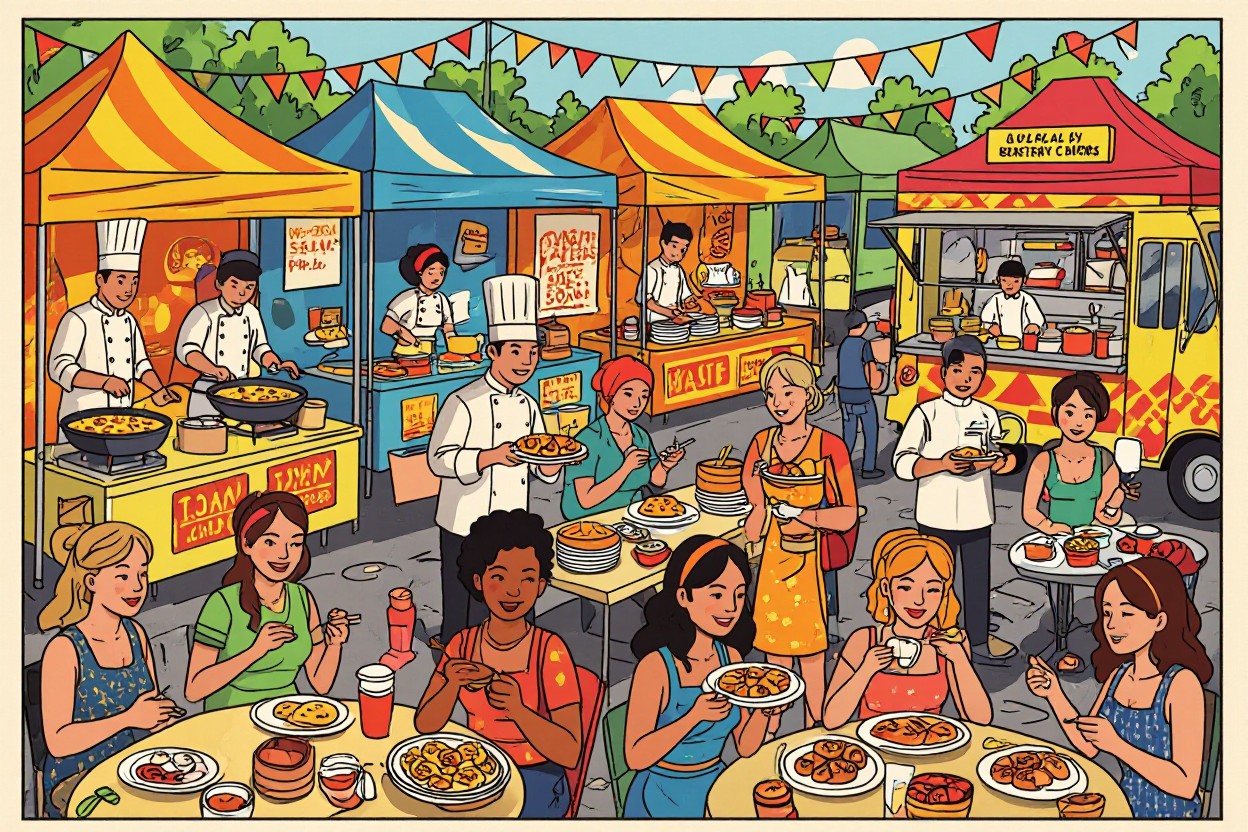
Tasting Events and Experiences: Getting the Most Out of Your Culinary Adventure
Food Tours: The Importance of Guided Experiences
Guided food tours often pack 6–8 stops into 3 hours, letting you sample 10–12 small plates while a local guide explains history, sourcing, and technique. You gain access to family-run markets, hidden stalls and a chef’s favorite bodega you wouldn’t find solo. Look for tours with groups under 12 or private options to ask questions, compare flavors, and get insider recommendations for return visits.
Cooking Classes: Hands-On Learning with Local Experts
Small-group classes (6–12 participants) let you practice techniques under a local chef’s eye, from rolling fresh pasta in Bologna to mastering mole in Oaxaca. You handle ingredients, receive step-by-step correction and leave with printed recipes plus tasting portions. Choose market-to-table formats to add foraging or market-shopping—those combine ingredient selection with bedside technique in a single 3–4 hour session.
Market-inclusive classes commonly cost $50–$200 and run 2–4 hours, pairing a 30–60 minute market tour with 90–120 minutes of hands-on cooking. You’ll develop knife skills, sauce timing and plating cues, and often receive digital recipes or follow-up videos. Expect direct feedback from the chef, a plated meal to eat together, and practical tips for adapting regional recipes to your kitchen.
Tastings and Pairings: Creating Memorable Moments
Sommelier-led tastings typically present 5–8 wines with guided discussion of aroma, acidity and structure, while chocolate, cheese or sake pairings follow similar formats. You’ll encounter blind tastings, comparative flights and palate-cleansing orderings that reveal subtle differences; for example, a vertical tasting might show how a single vineyard’s Cabernet changes over 3–5 vintages. Ask about provenance and production methods to deepen your appreciation.
Specialist pairings—such as sherry with Iberico ham or aged cheddar with barley wine—highlight complementary textures and chemistry, like fat-cutting acidity or tannin balance. Prices range from $30 tasting flights to $150–$300 for curated multi-course pairings with expert commentary. Take notes on descriptors and serving temperatures so you can recreate the pairing strategies back home.
Sustainability in Culinary Practices: Eating with a Conscience
Farm-to-Table Concepts: The Return to Local Sourcing
You can shorten supply chains by buying from farmers’ markets, CSAs, or restaurant partnerships that source within a 100-mile radius, cutting typical “food miles” many meals travel—often estimated around 1,500 miles in the U.S.—and delivering peak-season flavor. Direct sourcing often means fresher produce, higher nutrient retention, and measurable economic benefits for nearby farms, while enabling you to cook with truly seasonal ingredients like late-summer tomatoes or winter root vegetables.
Zero-Waste Cooking: Innovative Approaches to Reduce Food Waste
Adopt root-to-stem techniques, fermentation, and preserved stocks made from peels and trimmings to reclaim what would be discarded; about one-third of global food production is lost or wasted (FAO), so these methods turn scraps into flavor bases, condiments, and snacks. Restaurants such as Silo (UK) demonstrate how carbon-negative kitchens and on-site composting can coexist with memorable menus, showing you practical blueprints to lower waste in your own kitchen.
Practical steps you can implement include tracking waste by weight for a month to identify hotspots, standardizing portion sizes, and creating weekly “scrap menus” that use excess produce; chefs report dramatic cost reductions when plate waste is reduced. Techniques like lacto-fermentation extend shelf life by weeks, while vacuum-sealed stocks concentrate umami from peels and bones, transforming what was refuse into high-value components that enhance sauces and soups.
The Impact of Ethical Eating: Choices that Matter
You influence labor conditions, biodiversity, and emissions through purchases of certified products—look for Fair Trade, Marine Stewardship Council, and organic labels—which channel premiums to producers and encourage sustainable practices. Choosing seasonal, local, and certified items shifts market demand; ethical choices paired with occasional plant-forward meals help you align taste with environmental and social outcomes.
When you prioritize ethical labels and reduce high-impact items like ruminant meat, you contribute to system-level change: livestock is responsible for roughly 14.5% of global greenhouse gas emissions (FAO), so substituting plant proteins even a few times per week lowers your food carbon footprint. Supporting regenerative farms that use cover crops and reduced tillage can improve soil carbon sequestration, while paying a bit more for certified products often funds better wages and long-term stewardship at the producer level.
Conclusion
Considering all points, you should embrace a culinary adventure to expand your palate, experiment with bold flavors, and refine your cooking techniques; your curiosity will guide you to new ingredients, cultural dishes, and confident meal creation that elevates both everyday dining and special occasions.