
Currently Empty: 0,00 €


Cooking
Boost Your Well-being Through Smart Food Choices
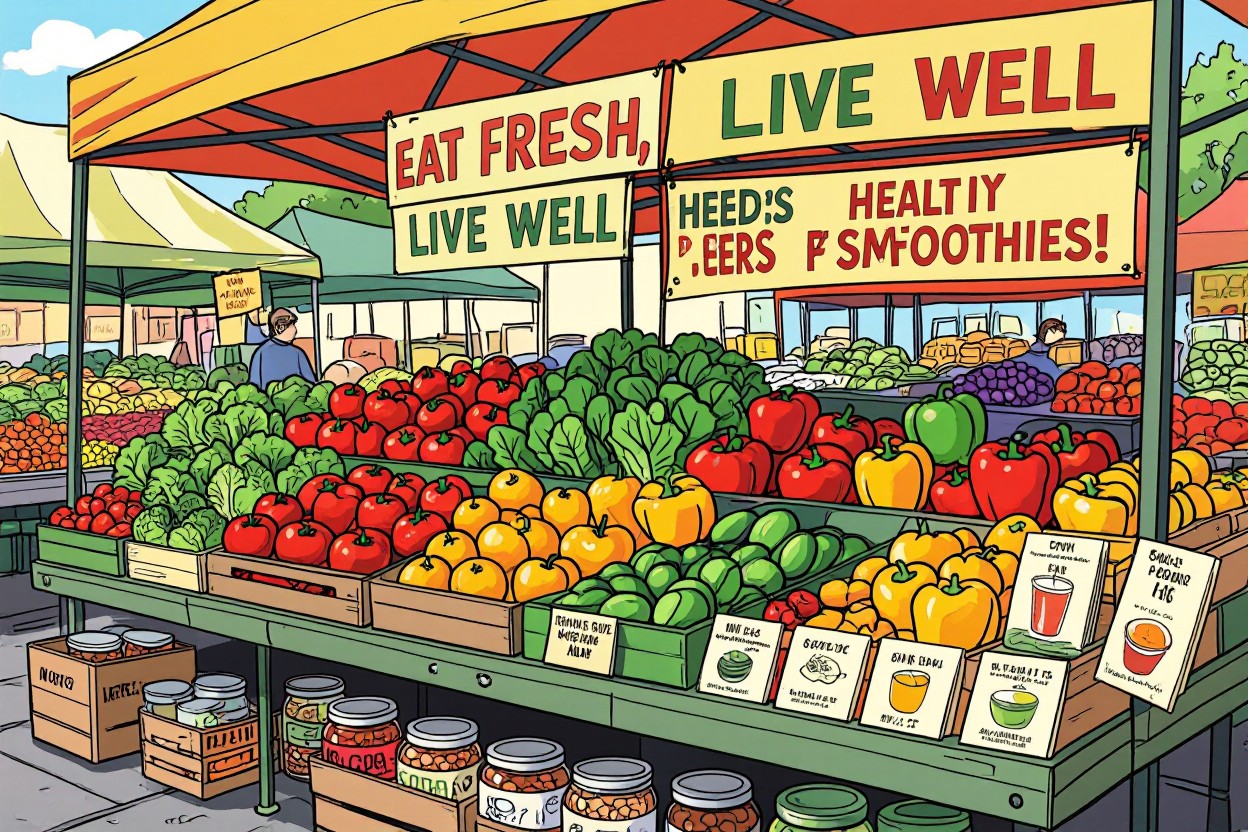
Wellbeing begins when you prioritize whole foods, balanced meals, and mindful portions to fuel your body and mind. By choosing vegetables, lean proteins, whole grains, and healthy fats while limiting processed sugars and excess salt, you improve energy, mood, and recovery. This guide gives practical swaps, meal-pattern strategies, and evidence-based tips to help you build sustainable eating habits that support lasting health and resilience.
The Power of Nutrients: How Food Influences Mood
The Brain-Gut Connection
Microbiome composition affects neurotransmitter production—about 90% of serotonin is produced in the gut. Eating fiber-rich foods like oats, legumes, and apples feeds beneficial bacteria that generate short-chain fatty acids linked to lower inflammation and improved mood. Clinical and animal studies show specific probiotics (e.g., Lactobacillus rhamnosus) can reduce anxiety-like behaviors, and small human trials reported ~20% lower perceived stress after eight weeks of consistent probiotic use. You support the gut-brain axis by favoring fermented foods, diverse plant fibers, and limiting ultra-processed items.
Key Nutrients for Mental Health
Omega-3s (EPA/DHA), B vitamins (B6, B12, folate), vitamin D, magnesium, zinc, iron and adequate protein all directly affect neurotransmitter synthesis and brain function. Meta-analyses link about 1,000 mg/day of EPA-rich omega-3s with reductions in depressive symptoms; low folate doubles the chance of poor antidepressant response in some studies. Vitamin D levels under 20 ng/mL associate with higher depression rates, so testing and targeted supplementation can matter. Aim for dietary variety to cover these cofactors.
Include oily fish like salmon or mackerel twice weekly—a 100 g serving typically provides ~1–2 g combined EPA/DHA—plus daily servings of leafy greens and legumes for folate (200–400 µg per portion). Add fortified cereals or lean animal sources for B12, snack on nuts, seeds and dark chocolate for magnesium, and choose lean red meat or lentils to prevent iron deficiency. Get a 25(OH)D test; many adults benefit from 1,000–2,000 IU vitamin D3 if levels are low, while a diverse plate also feeds the microbiome that supports neurotransmitter pathways.
Eating for Energy: The Role of Food in Physical Vitality
Understanding Macronutrients: Carbs, Fats, and Proteins
Balance your plate with carbohydrates, fats, and proteins to meet differing energy demands: aim for roughly 45–65% of calories from carbs, 20–35% from fats, and 10–35% from protein. Choose low‑GI carbs like oats and sweet potatoes for sustained energy, include 20–30 g protein per meal (eggs, Greek yogurt, legumes) to support repair, and add omega‑3 fats (salmon, walnuts) to reduce inflammation and aid endurance.
Timing Your Meals for Optimal Performance
Plan a pre‑exercise snack 1–3 hours before activity containing about 30–60 g carbs plus 10–20 g protein (banana with yogurt, toast and nut butter), then refuel within 30–60 minutes after intense training with 20–40 g protein and 40–100 g carbs depending on duration to restore glycogen and start recovery.
Match daily intake to your training load: endurance athletes often need 6–10 g/kg/day of carbs, while strength athletes target 1.2–2.0 g/kg/day of protein and 4–7 g/kg/day of carbs. Prioritize larger carbohydrate portions around long or high‑intensity sessions and favor easily digestible foods pre‑workout; avoid high‑fat, high‑fiber meals right before hard efforts to reduce gastrointestinal distress. Use nightly patterns to support circadian rhythm—front‑load carbs earlier if you train in the morning, or concentrate carbs around evening sessions if your schedule dictates—and consider a 0.25–0.4 g/kg protein dose after training to maximize muscle protein synthesis.
Mindful Munching: The Art of Conscious Eating
Recognizing Hunger Cues
Start by distinguishing physical hunger from emotional or habitual urges: physical hunger rises gradually, includes stomach rumbling, low energy, or lightheadedness, whereas cravings hit quickly and are specific (sweets, chips). Track time, mood, and hunger on a 1–10 scale for a week to reveal patterns—many people find evening stress triggers 60–70% of non-hunger snacking—so planning a protein-and-fiber mini-meal helps you honor real hunger.
The Benefits of Slow Eating
Eating more slowly gives your brain time to register hormones like cholecystokinin and leptin, which signal fullness roughly 15–20 minutes after you begin a meal; pacing bites can lower intake by 20–30% and improve digestion. Aim to extend meals to at least 20 minutes, chew 15–20 times per bite, and put utensils down between bites to reduce overall calories and increase post-meal satisfaction.
Practice drills speed adoption: set a 20-minute timer, use a smaller fork, sip water after every 3–4 bites, and count chews until 15–20 to slow your bite rate. Studies show reducing bite rate and increasing chewing correlates with lower daily caloric intake and less bloating, and consistent practice over 2–4 weeks often shifts habitual fast-eating patterns and reduces evening grazing.
Smart Swaps: Making Healthier Choices
Identifying Nutrient-Dense Alternatives
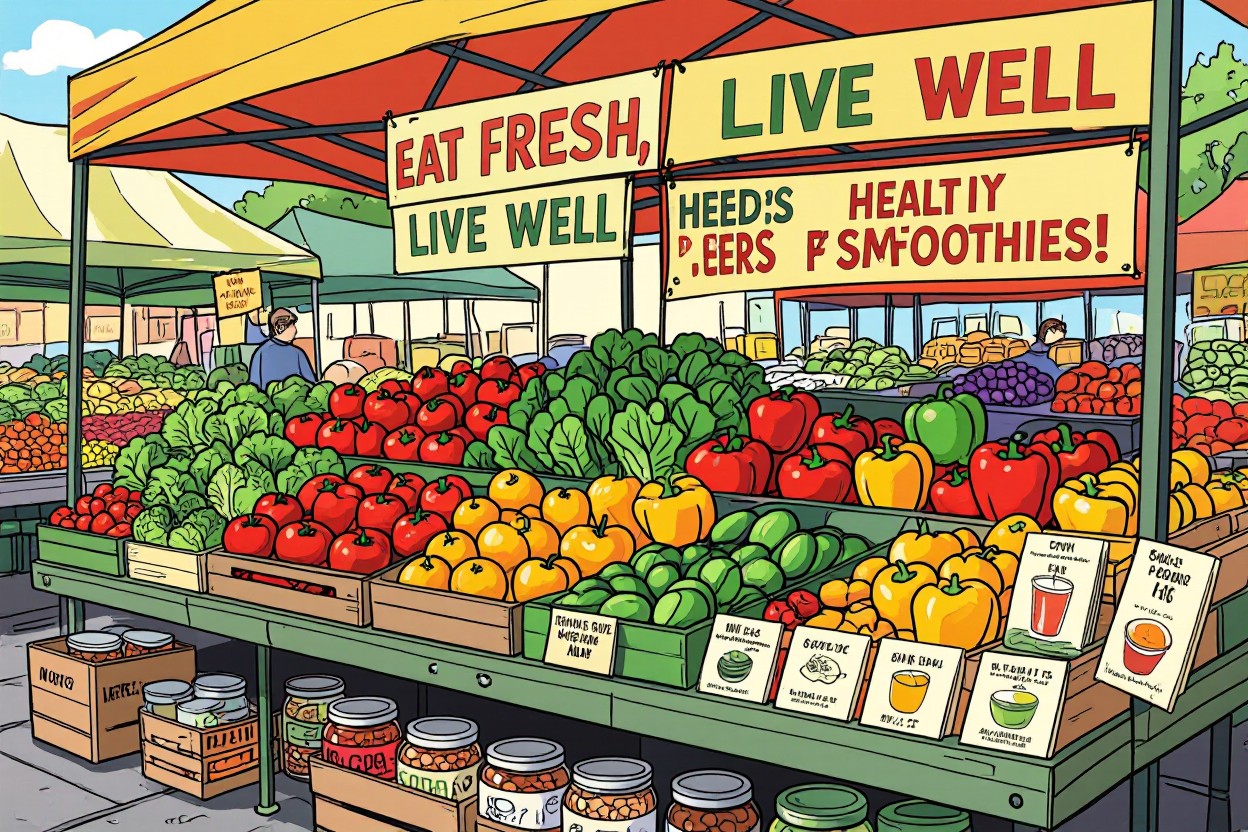
Swap refined grains like white rice (about 4 g protein per cooked cup) for quinoa (roughly 8 g per cooked cup) to boost protein and fiber, trade sugary sodas for sparkling water with a squeeze of lemon to cut 150+ empty calories per can, choose plain Greek yogurt (~10 g protein/100 g) instead of sour cream for sauces, and replace potato chips with 3 cups air-popped popcorn (~90 kcal) or a 1-ounce handful of almonds (~6 g protein, 160 kcal) for more satiety.
Meal Prepping for Success
Block 60–120 minutes on a weekend to batch-cook 2–3 proteins, roast 6–8 cups of vegetables, and portion 4–5 balanced meals (aim ~400–600 kcal each with a 30/40/30 split of protein/carbs/fat). Use clear, airtight containers, label with dates, and refrigerate—most cooked meals stay good 3–4 days; freeze extra portions for 2–3 months.
Create a simple routine: pick 3 base recipes (e.g., sheet-pan salmon + sweet potato + broccoli, turkey chili with beans, and quinoa salad with chickpeas), write a one-page shopping list, and batch-cook staples (1 cup dry quinoa yields ~3 cups cooked; roast sweet potatoes at 425°F/220°C for 25–30 minutes). Cool foods within two hours, store in glass containers, and reheat to 165°F (74°C) for safety; rotating flavors and condiments prevents boredom while keeping prep time to about an hour each week.
The Impact of Sugar and Processed Foods on Well-being
Hidden Sugars in Everyday Foods
Many packaged items sneak in sugar: a 12‑oz can of cola has ~39 g (≈9–10 tsp), a flavored yogurt can contain 12–16 g per serving, and some granola bars pack 10–20 g. You may be surprised that sliced bread, pasta sauce, and salad dressings often add 2–6 g per serving. Aim to keep free sugars below 25 g/day for additional health benefits, and check labels for “sucrose,” “maltose,” “syrup,” or ingredients ending in “‑ose.”
How Processed Foods Affect Mood and Energy Levels
Processed meals high in refined carbs and sugars cause rapid blood glucose rises within 15–30 minutes, often followed by a 1–3 hour dip that brings fatigue, irritability, and reduced concentration. You’ll notice short-lived bursts of alertness after a sugary snack, then performance drops; repeated cycles worsen sleep quality and daytime energy. Choosing whole foods with fiber and protein blunts these spikes.
Physiological mechanisms link these swings to mood: exaggerated insulin release after high‑GI foods can trigger reactive hypoglycemia, lowering brain glucose and impairing cognition. Chronic intake of ultra‑processed foods also promotes low‑grade inflammation and alters the gut microbiome—both associated with higher rates of anxiety and depression in observational studies. You should also consider additives and trans fats found in many fried or packaged items; these increase oxidative stress and can raise markers like CRP and IL‑6 postprandially, which researchers tie to mood disturbances. Practical swaps—whole grains, legumes, nuts, and fatty fish—stabilize glucose, supply anti‑inflammatory nutrients (omega‑3s), and support more consistent energy and clearer mood over days and weeks.
The Role of Hydration in Optimal Health
How Water Intake Affects Cognitive Function
Even a small deficit—losing 1–2% of body weight through dehydration—can reduce attention, working memory and reaction time, according to clinical research on cognitive performance. You may notice slower problem-solving during meetings or more frequent headaches during long study sessions; athletes and shift workers show similar declines. Aim to sip regularly so you avoid those drops in performance rather than trying to catch up with large volumes later.
Creative Ways to Stay Hydrated
You can make hydration effortless by integrating high-water foods and simple rituals: snack on cucumber (≈95% water), watermelon (≈92%) and oranges (≈86%), drink herbal teas or sparkling water, and use a 500 mL bottle with time markers to pace intake—refill it three to four times to reach about 2–3 liters a day. Apps or phone alarms that prompt 250–500 mL every hour help maintain steady intake during busy days.
Try specific combos: infuse a 1-L bottle with cucumber, mint and lemon for a refreshing flavor that lasts all day, or brew a large pitcher of hibiscus or ginger tea and chill it for an easy, antioxidant-rich option. Alternate alcoholic or caffeinated beverages with a glass of water to reduce net fluid loss, and add a small pinch of sea salt plus a squeeze of citrus to homemade electrolyte drinks after intense workouts to restore sodium and potassium balance more effectively.
Cultivating a Positive Relationship with Food
Overcoming Food Guilt
When a treat triggers guilt, treat the moment as useful feedback: note what you ate, your hunger on a 0–10 scale, and any emotions, then adjust the next meal. Apply the 80/20 approach—nutritious choices about 80% of the time, flexibility 20%—so occasional indulgences don’t derail progress. Research on flexible versus rigid restraint links flexibility to fewer binge episodes and better long-term adherence, so slow your bites, savor flavors, and stop near 6–7/10 fullness.
Building a Sustainable Eating Mindset
Adopt simple plate rules: half vegetables, a quarter lean protein, a quarter whole grains, targeting roughly 25–30g protein per meal to enhance satiety and support muscle. Plan two batch-cooking sessions weekly, keep a perimeter-based grocery list, and schedule 2–3 planned treats per week to prevent deprivation. Flexible adjustments to portions and timing—rather than total bans—produce steadier results and metabolic benefits over time.
For example, set a weekly plan so you cook three dinners from templates (protein + veg + grain), eat breakfasts with 20–30g protein like Greek yogurt or eggs, and pick snacks that pair fiber with protein (an apple with 2 tbsp nut butter). Swap sugary drinks for water, aim for two servings of fatty fish per week, and target 5+ vegetable servings daily. Track your energy, sleep, and how clothes fit monthly instead of obsessing over daily weight, then fine-tune portions or meal timing based on those practical metrics.
Final Words
Following this, you can boost your well-being by prioritizing whole foods, balanced meals, hydration, and mindful eating; making small, consistent changes to your food choices will improve your energy, mood, and long-term health, and planning meals and listening to your body’s signals helps you sustain better habits every day.