
Currently Empty: 0,00 €


Business
Time to Think About Your Small-Business Success
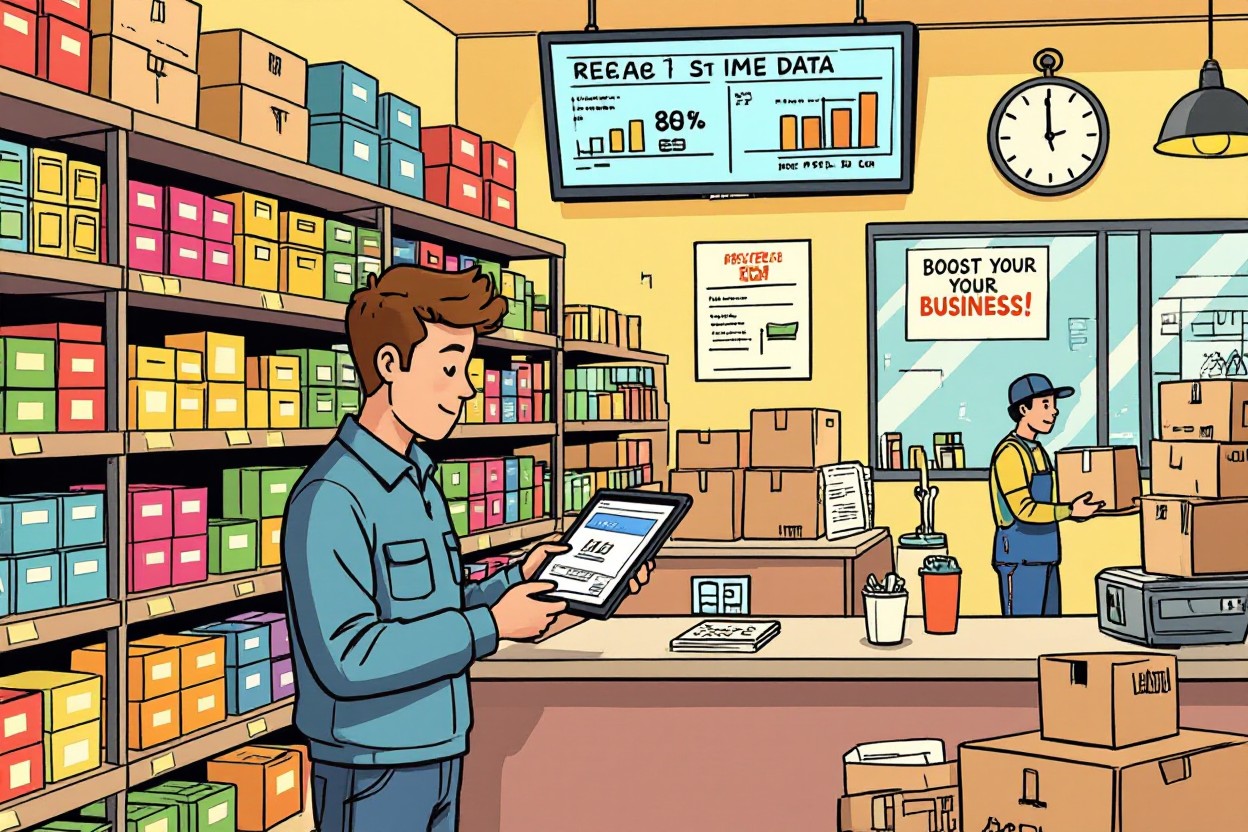
You should take a strategic look now at your small business to convert challenges into growth opportunities. Evaluate cash flow, streamline operations, set measurable goals, and prioritize customer retention while exploring new revenue channels. With focused planning, disciplined execution, and smart use of data, you can strengthen resilience, improve margins, and position your business for lasting success.
The Pivotal Shift: Why Now is the Moment for Small-Business Focus
Market dynamics have tilted in ways that favor agile operators: small businesses make up about 99.9% of U.S. firms and employ nearly half the private workforce, so your moves reverberate. With inflation moderating from its 2022 peak and supply chains normalizing, consumer spending is reallocating toward experiences and local providers. By tightening costs, enhancing digital touchpoints, and targeting repeat customers, you can capture demand while larger competitors recalibrate.
The Impact of Economic Trends on Small Enterprises
Rising interest rates pushed borrowing costs into the 4–5% range in 2022–23, squeezing margins for capital-heavy businesses; you likely felt higher vendor prices and tighter credit terms. At the same time, e-commerce growth accelerated—many small retailers report online sales contributing 20–40% of revenue—so shifting even part of your operations online or optimizing omnichannel pickup can offset financing pressures and broaden your customer base.
Recognizing Opportunities Amidst Challenges
You can turn disruption into advantage by identifying unmet local needs: niche services, subscription offerings, and contactless options saw rapid adoption after 2020. For example, independent food shops that added online preorders and weekend delivery commonly reported 20–30% revenue uplifts within months. Focus on quick experiments—A/B test pricing, run targeted social ads, or launch a limited subscription—to validate what customers will pay for now.
Dig deeper into customer data to prioritize initiatives: track repeat-purchase rates, average order value, and acquisition cost per channel so you spend where ROI is clear. Negotiate shorter supplier terms or volume discounts, pursue targeted grants or community-bank programs, and document wins in a 90-day roadmap to scale what works. Small, measured bets with clear metrics reduce risk while accelerating recovery and growth.
Strategic Goal-Setting for Sustainable Growth
Defining Clear, Achievable Business Objectives
Set SMART targets tied to measurable KPIs so you can track progress weekly and adjust fast; for example, aim to grow monthly revenue by 15% within 12 months, lower customer acquisition cost from $120 to $90 in six months, or add 100 active subscribers by Q4. Tie each objective to one owner, a specific deadline, and a leading metric (conversion rate, LTV/CAC, churn) to prevent vague “growth” goals from stalling.
Aligning Goals with Market Dynamics
Map your goals to real market signals: if local foot traffic spikes 20% seasonally, schedule product launches and promotions for that window; if competitors cut prices 10%, model margin impact before matching. Use Google Trends, industry reports, and monthly sales data to ensure targets reflect demand shifts and competitive moves, not wishful thinking.
Dive deeper by setting trigger points that force a strategy review—e.g., if conversion falls below 2% or average order value drops by 8%, run a two-week A/B test on pricing, messaging, or checkout flow. Monitor supplier lead times and macro indicators (interest rates, consumer confidence) quarterly, and build contingency targets such as a 5% cost-reduction plan or a pivot to digital channels that can be activated within 30 days.
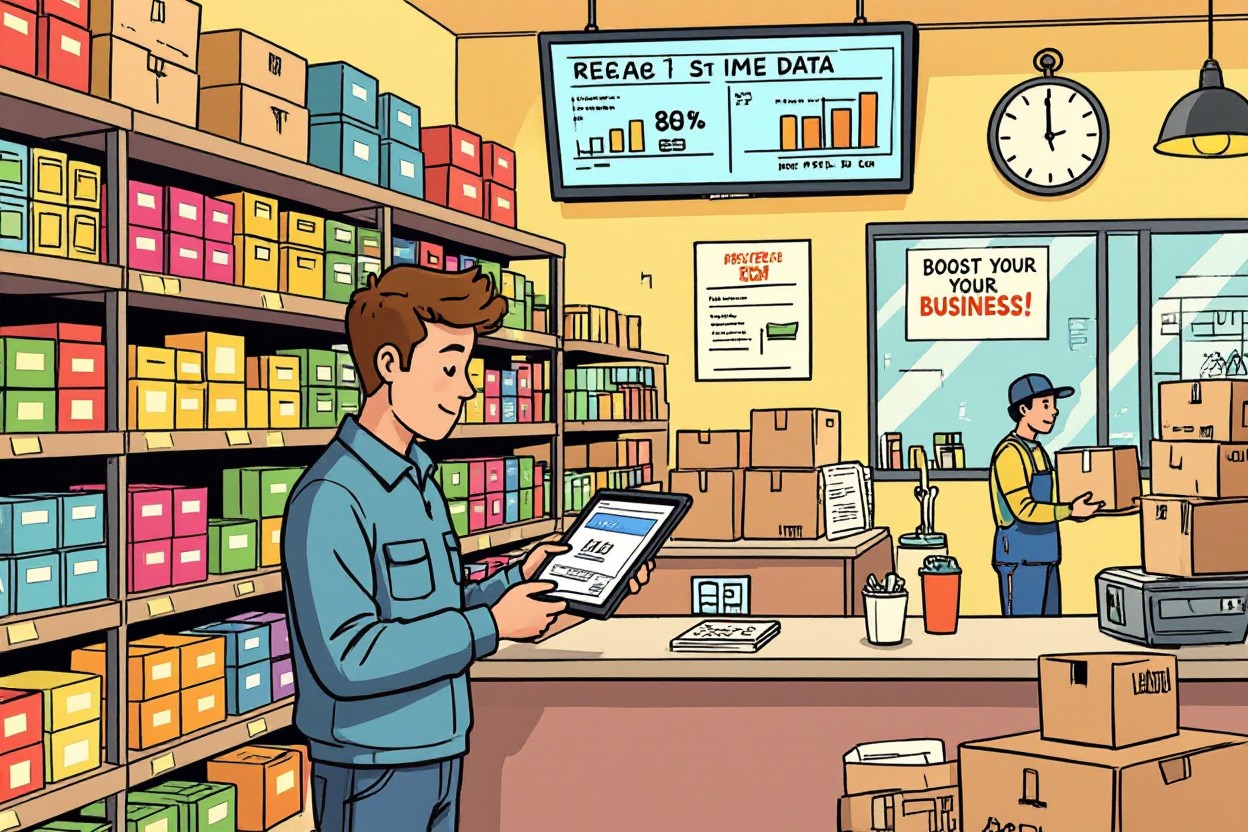
Leveraging Technology for Efficiency and Impact
Cloud platforms and targeted apps let you reclaim hours otherwise lost to manual admin: use QuickBooks or Xero for reconciliations, HubSpot for lead tracking, and Zapier to glue routines together so data flows automatically between systems. Analytics from Google Analytics and your CRM turn daily transactions into trends you can act on, helping you prioritize high-margin customers, trim slow-moving inventory, and scale processes without adding headcount.
Essential Tools for Streamlining Operations
Adopt a payments stack like Stripe or Square, pair it with accounting (QuickBooks/Xero), and run inventory and sales on Shopify or WooCommerce to keep numbers synchronized. Manage projects with Asana or Trello, automate repetitive tasks with Zapier or Make, and house documents in Google Workspace. These tools cut processing time, reduce errors from manual entry, and let you redeploy staff from paperwork to revenue-generating activities.
The Role of Digital Marketing in Expanding Reach
Combine SEO, paid search, social ads, and email to build predictable customer acquisition: optimize your Google Business Profile for local discovery, run targeted Google and Meta ads for high-intent queries, and use email automation—which often yields roughly $36 for every $1 spent—to nurture repeat buyers. Track CAC and LTV so you can scale channels that hit your profitability thresholds.
Dive deeper by segmenting audiences and matching creative to intent: use search ads for bottom-of-funnel demand, social ads for awareness and retargeting, and content/SEO to capture organic traffic over time. Build an email list with lead magnets, then segment by behavior (first-time buyer, cart abandoner, VIP) and set automated flows: welcome series, cart recovery, and re-engagement. Monitor KPIs—CTR, conversion rate (often 2–5% for paid search depending on industry), and cost-per-acquisition—and run A/B tests on headlines, landing pages, and offers. Small adjustments to targeting or creative often boost campaign ROI more than doubling down on budget without optimization.

Cultivating Resilience: Lessons from Successful Small Businesses
You can model resilience after businesses that diversified revenue and tightened margins: about half of U.S. small firms survive five years, so distinguishing your offerings matters. Try a split of 60/40 between recurring and one-time sales, trim fixed costs by negotiating leases or outsourcing payroll, and track a 90-day cash runway. Local examples show that shifting 20–30% of sales online or into subscriptions often stabilizes revenue during slow months.
Adapting to Change: Stories of Innovation
You’ll find fast wins when you experiment: a neighborhood bakery that launched weekly subscription boxes grew recurring revenue 30% within six months, while retailers that added curbside pickup and integrated Shopify saw online sales increase 40–60% in pandemic-era pivots. Use low-cost pilots — invest $1,000–3,000 to test a new channel, measure conversion and unit economics, then scale what delivers a positive contribution margin.
Building a Support Network: Resources and Communities
You should tap into established resources: SCORE’s nationwide mentor network (about 10,000 volunteers) and the Small Business Development Center network (1,000+ centers) offer free counseling and workshops, while local chambers, industry associations, and online groups (Reddit, Facebook, Slack communities) connect you to peers and suppliers. Use these channels for grant leads, low-interest lending referrals, and practical templates for cash flow and marketing plans.
Start by booking a free SBDC or SCORE session with current financials and a one-page goals list; ask for a 90-day action plan and two mentor introductions. Join one industry meetup and an online peer group, then commit to one workshop per quarter. Track outcomes: new leads, vendor discounts, cost reductions, and one metric (monthly recurring revenue or gross margin) to review each month. That cadence turns networking into measurable growth.
Financial Mastery: Planning for Stability and Growth
Budgeting Strategies for Small Business Success
Use rolling forecasts and zero-based budgeting to align every dollar with a specific outcome; plan a 3–6 month cash runway and update forecasts monthly. Target gross margins and industry benchmarks—retail often runs 50–60% COGS, service firms keep payroll under 35–40% of revenue—and set a contingency line (5–10% of monthly expenses) for unexpected costs. A boutique that tracked weekly cash flow cut discretionary spend by 10% and extended runway from two to five months.
Navigating Funding Options and Investment Decisions
Compare SBA 7(a) loans (up to $5M), microloans (often ≤$50k), business lines of credit, angel investments, and crowdfunding by cost, speed, and dilution. Search terms: SBA rates often land in the mid-single to low-double digits, angels typically seek 15–30% equity at seed, and crowdfunding can validate demand without giving up ownership. One founder used a $30k Kickstarter campaign to validate product-market fit before pursuing a $150k bank line.
Dive into cost-of-capital analysis: calculate effective interest plus fees versus projected ownership dilution and growth requirements. For example, a $200k loan at 8% over five years yields predictable payments and full ownership retention, while selling 20% equity at a $1M pre-money valuation raises $250k but reduces future upside and control. Factor covenants, repayment flexibility, investor value-add (networks, hiring help), and runway impact—choose debt for steady cash needs, equity when you need aggressive growth capital and strategic guidance. Run scenario models showing runway, break-even, and ROI under each option before you commit.
Conclusion
Conclusively, you should act now to assess market trends, refine operations, and invest in customer relationships so your small business can scale sustainably; by setting clear goals, measuring progress, and staying adaptable you position your venture for long-term growth and competitive advantage.
Edward Norton
Lorem ipsum dolor sit amet, consectetur adipisicing elit sed do eiusmod tempor incididunt ut labore et dolore magna aliqua.
Emilie Bryant
Lorem ipsum dolor sit amet, consectetur adipisicing elit sed do eiusmod tempor incididunt ut labore et dolore magna aliqua.
Steve Martin
Lorem ipsum dolor sit amet, consectetur adipisicing elit sed do eiusmod tempor incididunt ut labore et dolore magna aliqua.