
Currently Empty: 0,00 €


Cooking
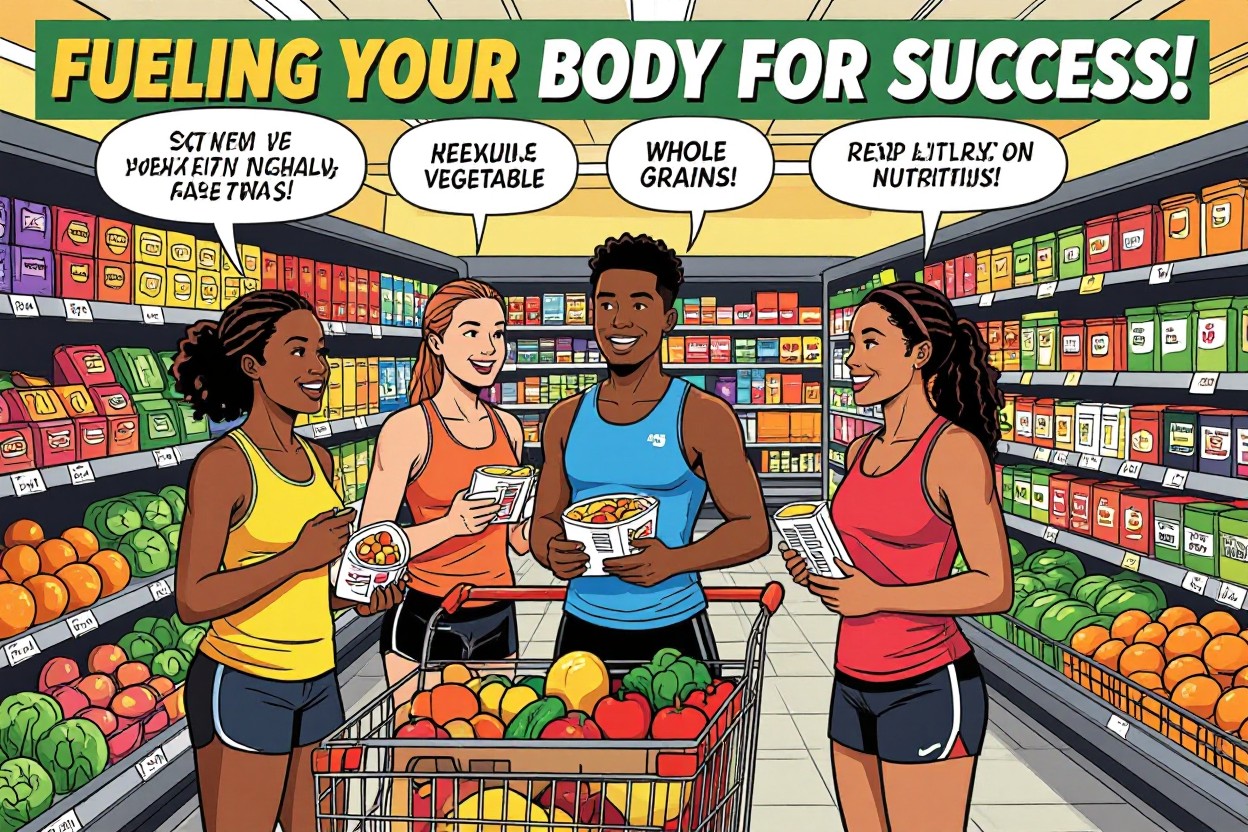
Fueling Your Body for Success: A Nutrition Guide

With evidence-based strategies and practical planning, you can optimize meals, balance macronutrients, and time intake to sustain energy, sharpen focus, and enhance recovery. This guide gives clear steps for choosing nutrient-dense foods, tailoring portions to your goals, and building habits that support performance and long-term health.
The Foundations of Nutritional Success
Essential Macronutrients: The Building Blocks
Balance your plate across carbohydrates, proteins, and fats: target roughly 45–65% carbs, 10–35% protein, and 20–35% fat based on your goals. Aim for 1.2–2.0 g protein per kg bodyweight if you train regularly to support muscle repair, and 25–38 g fiber daily from oats, legumes, and vegetables to stabilize blood sugar. Prioritize whole grains, lean proteins like chicken and salmon, and healthy fats such as olive oil and avocados for sustained performance.
Micronutrients Matter: Unlocking Essential Vitamins and Minerals
Vitamin D (600–800 IU), iron (8 mg men, 18 mg women), B12 (2.4 µg), magnesium (310–420 mg) and potassium (4,700 mg) all shape energy, mood, and recovery. You can boost intake with leafy greens, citrus, fortified cereals, dairy, nuts, and fatty fish. Pay attention to signs like fatigue or poor concentration; targeted testing and dietary adjustments often correct deficiencies that sap performance.
Pairing strategies and life-stage needs change your approach: consume vitamin C-rich foods with spinach or lentils to increase non-heme iron absorption, and separate high-calcium meals or supplements by two hours to avoid inhibiting iron uptake. Pregnant women need 600 µg folate daily to prevent neural-tube defects, while older adults often benefit from 1,000–2,000 IU vitamin D to restore levels and improve muscle function. Monitor labs and tailor supplements to measured deficits rather than guessing.
The Science Behind Food Choices
How Nutrition Influences Cognitive Function
Your brain consumes about 20% of your body’s energy—roughly 120 g of glucose daily—so the nutrients you choose shape attention, memory, and processing speed. Omega-3s (DHA/EPA) support synaptic function, with many guidelines recommending 250–500 mg/day and trials using ~1 g/day showing benefits in older adults. B-vitamins (B6, B12, folate ~400 µg/day) lower homocysteine and correlate with better memory, while polyphenol-rich berries improved executive function in 12-week randomized studies; combine steady carbs, protein, and these micronutrients to sustain focus.
The Role of Glycemic Index in Energy Levels
Glycemic index (GI) ranks carbs 0–100 versus pure glucose; low GI ≤55, medium 56–69, high ≥70. Choosing low-GI options—lentils (GI ~29), steel-cut oats (~55), barley (~28)—helps you avoid sharp glucose spikes and subsequent energy dips, while high-GI foods like white bread (~75) often lead to rapid rises and crashes. Pairing carbs with protein, fat, or fiber typically lowers the meal’s effective GI and stabilizes your energy for 3–4 hours.
Glycemic load (GL) refines GI by accounting for portion size: GL = (GI × carbs per serving)/100. Low GL is ≤10, medium 11–19, high ≥20. Watermelon, for example, has a high GI (~72) but a low GL per typical serving (~5), so its impact is modest unless you eat large amounts. High-GI meals can trigger insulin surges and reactive drops within 2–3 hours, whereas athletes often use high-GI carbs immediately after intense exercise (within 30 minutes) to speed glycogen replenishement; to moderate effects, add 15–30 g protein and 5–10 g fiber to your meals.
Timing Is Everything: Nutrition and Daily Performance
Pre-Workout Fuel: What Science Recommends
Consume 1–4 g/kg carbohydrate 1–4 hours before exercise paired with 0.25–0.3 g/kg protein to top up glycogen and supply amino acids; if you eat 30–60 minutes before, choose 20–50 g fast-acting carbs (banana, toast, sports gel) and keep fat and fiber low to avoid GI distress. Example: 2 hours out, 1 cup oats + 1 banana + 20 g whey; 30 minutes out, a small banana or 30 g sports drink.
Post-Workout Recovery: Essential Nutritional Strategies
Prioritize 20–40 g high-quality protein within the first 2 hours to maximize muscle protein synthesis and aim for 1.0–1.2 g/kg/hour carbohydrate in the early recovery window when rapid glycogen restoration is needed; rehydrate by replacing ~1.25–1.5 L fluid per kg of body mass lost. Practical combos include chocolate milk, 30 g whey + 60 g fruit, or chicken with rice.
Aim for 20–40 g protein per feeding (≈0.25–0.4 g/kg); younger athletes often stimulate MPS with ~20–30 g whey (providing ~2.5–3 g leucine), while older adults may need closer to 40 g. Space subsequent protein-rich meals every 3–4 hours to sustain synthesis. If you face multiple sessions in a day, prioritize immediate carbohydrate (0.8–1.2 g/kg/hr) plus 20–30 g protein right after each session to speed glycogen repletion and recovery between bouts.

The Power of Hydration
How Dehydration Impacts Mental Clarity and Focus
Even a 1–2% loss of body water (about 0.7–1.4 kg for a 70 kg person) reduces attention, working memory, and reaction time; controlled trials show decreased accuracy on cognitive tests and increased perceived effort after mild dehydration. You may notice slower decision-making, irritability, and poorer multitasking—effects that can cost you minutes on a deadline or errors in complex problem-solving.
Optimal Hydration Practices for Peak Performance
Aim for baseline intakes of roughly 3.7 L/day for men and 2.7 L/day for women (including food), drink ~500 ml 2–3 hours before activity, sip 150–350 ml every 15–20 minutes during exercise, and replace losses with ~1.5 L per kg lost after sessions; use pale straw urine as a quick hydration check.
Track your sweat rate by weighing before and after workouts to individualize fluid plans—losing 1 kg typically means ~1 L sweat loss, so target ~1.5 L to rehydrate fully. For efforts over 60–90 minutes, choose a 6–8% carbohydrate sports drink with 20–50 mmol/L sodium to maintain blood volume and electrolyte balance; in hot, humid conditions expect sweat rates of 0.5–2.0 L/hour and increase intake and sodium accordingly.
Meal Planning for Peak Efficiency
Constructing Balanced Meals: A Hands-On Guide
Aim for a plate roughly divided: half vegetables or fruit, a quarter lean protein, and a quarter whole grains. You can target 20–30 g of protein per meal—about 3–4 oz (85–113 g) cooked salmon, chicken, or tofu—to support muscle maintenance and satiety. Add 1 cup non-starchy vegetables (broccoli, spinach), 1/2 cup cooked brown rice or quinoa, plus a healthy fat like 1 tbsp olive oil or 1/4 avocado for nutrient absorption and flavor.
The Art of Meal Prep: Save Time and Fuel Your Body
Batch-cook proteins and grains once or twice weekly: spend 90–120 minutes on Sunday to prepare 8–12 portions. Roast 2–3 lbs of chicken, bake a sheet pan of salmon, cook 3–4 cups quinoa or brown rice, and roast mixed vegetables. You can portion meals into 500–700 ml containers for grab-and-go lunches, use mason jars for salads, and freeze extras in single-serving bags to save time on busy days.
Make food safety part of your routine by refrigerating cooked meals within 2 hours and consuming them within 3–4 days, or freeze up to 3 months with dates labeled. Reheat to an internal temperature of 165°F (74°C). Practical prep timings that speed up assembly: roast 2 lbs chicken breasts at 400°F (204°C) for 35–40 minutes, cook quinoa in 15 minutes, and hard‑boil eggs for 9–12 minutes—these staples let you assemble balanced meals in under 10 minutes at mealtime.
Navigating Dietary Myths and Misinformation
Debunking Popular Diet Fads
Keto often produces rapid initial weight loss from glycogen and water depletion rather than sustained fat loss; randomized trials show similar 12‑month weight loss between low‑carb and low‑fat approaches when calories match. Detox cleanses lack biomarker evidence for toxin clearance and can cause electrolyte imbalances. Intermittent fasting can help some control calories, but benefits generally mirror equivalent calorie restriction—focus your plan on adequate protein (0.8–1.2 g/kg if active) and micronutrient sufficiency rather than trends.
Understanding Labels: What to Look For
Serving size and servings per package determine your true calorie and nutrient intake—a 250‑calorie serving times two equals 500 calories per pack. Scan the ingredient list for order of weight, check “Added Sugars” and protein/fiber per serving (aim for ≥3 g fiber and ≥5–10 g protein for snacks), and use % Daily Value: 5% or less is low, 20% or more is high. Watch sodium (≤140 mg = low) and sugar aliases like dextrose or high‑fructose corn syrup.
Compare two similar products: a 40 g granola bar labeled 180 calories per serving but sold as two servings per pack actually provides 360 calories—don’t be misled by single‑serving figures. You’ll want to note “Added Sugars” grams (20 g = 80 calories) and follow WHO guidance to keep free sugars under 10% of energy (~50 g on a 2,000 kcal diet). Read ingredients for sugar synonyms (syrup, maltodextrin, dextrose) and for partially hydrogenated oils—labels can state “0 g trans fat” while containing up to 0.49 g per serving. Use %DV to compare items quickly: ≤5% is low, ≥20% is high.
Sustainable Eating: Nourishing Your Body and the Planet
The Benefits of Plant-Based Nutrition
Shifting toward plant-centered meals boosts fiber (aim 25–35 g/day), phytonutrients, and unsaturated fats; meta-analyses link plant-based diets with up to 25% lower coronary heart disease risk and measurable reductions in type 2 diabetes and hypertension. You can meet protein needs with lentils, tempeh, tofu, seitan, and quinoa—aim for roughly 0.8–1.2 g/kg protein depending on activity—and replace red meat 2–3 times weekly to lower saturated fat while maintaining iron by pairing plant iron sources with vitamin C-rich foods.
Supporting Local Food Systems: A Holistic Approach
Choosing local reduces food miles—most U.S. produce travels roughly 1,500 miles to reach your table—so buying at farmers’ markets or joining a CSA cuts transport and supports small farms; U.S. farmers markets grew from ~1,700 in 1994 to over 8,700 in 2019. You get fresher, more nutrient-dense produce, seasonal variety, and direct access to growers to ask about soil and pest practices; aim to source 20–30% of your weekly produce locally to notice flavor and community benefits.
To deepen your impact, join a CSA (many shares average $20–$40/week depending on region) or use farmers‑market SNAP/Farmers Market Nutrition Program incentives to stretch dollars; blanching and freezing summer vegetables can provide nutrition into winter. Ask farmers about cover cropping, reduced tillage, rotational grazing, or integrated pest management to favor soil health and biodiversity. Support regional aggregation and storage projects—cold-storage co-ops and root‑cellar networks—to extend local availability year-round and strengthen local food resilience in extreme weather or supply-chain disruptions.
Final Words
Considering all points, you can optimize performance and wellbeing by prioritizing balanced meals, adequate hydration, consistent meal timing, and quality sleep; tailor macronutrients to activity, focus on whole foods and portion control, and use sustainable habits so your nutrition supports long-term success in work, training, and daily life.