
Currently Empty: 0,00 €


Business
How to Build a Strong Brand Identity in the Digital Age
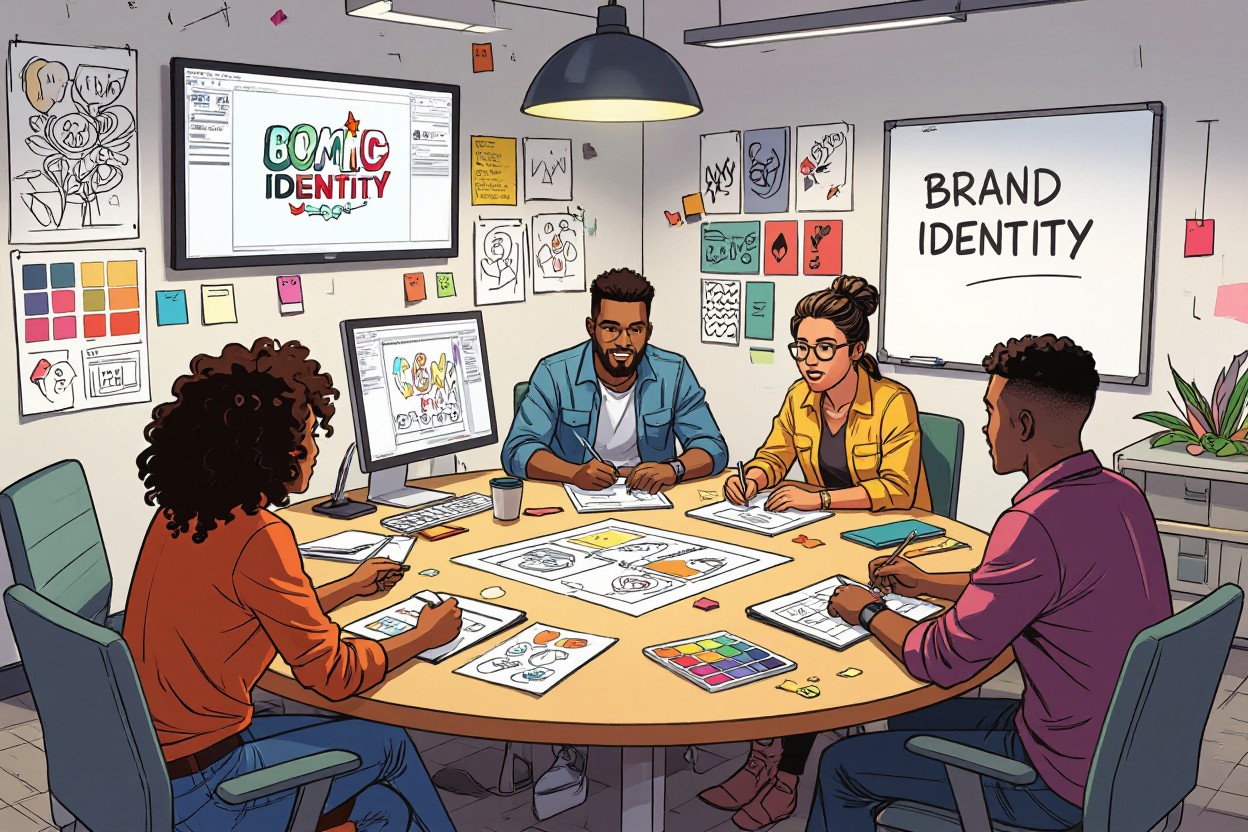
You must define your brand’s purpose and audience, craft consistent visual and verbal elements, and deliver cohesive experiences across channels to build a strong brand identity in the digital age. This post guides you through strategy, visual design, voice, and digital touchpoints, plus measurement and iteration, so you can strengthen recognition, trust, and loyalty online.
Crafting Your Brand’s Core Message
Lock your core message into a single-sentence promise that guides every touchpoint you control. Use language your audience uses, state a measurable benefit, and match tone to your brand archetype. Look at Nike’s “Just Do It” for emotional clarity and Dollar Shave Club’s launch—which drove 12,000 orders in 48 hours—for how a focused promise can convert. Iterate headline variants across homepage, email, and ads and track click-through and conversion to see which wording truly moves your metrics.
Defining Your Brand Purpose and Values
Define why you exist beyond profit and pick 3–5 values that translate into observable behaviors, like “answer customer messages within 24 hours” or “use 100% recycled packaging.” Tie each value to a KPI—NPS, churn, repeat purchase rate—so you can prove alignment. Brands such as Patagonia and Ben & Jerry’s make values visible through campaigns and product choices, which strengthens retention and fuels advocacy when customers see consistent action, not just slogans.
Articulating a Unique Selling Proposition (USP)
Craft your USP using a simple formula: target audience + primary benefit + proof of difference. State something concrete—e.g., “affordable blades delivered monthly” rather than vague claims—and anchor it with evidence: pricing, delivery times, or exclusive features. Dollar Shave Club paired a witty, specific proposition with a viral video and proved a subscription razor model could unseat incumbents by delivering clear value and convenience.
Validate your USP with disciplined testing: run 5–10 customer interviews, perform a competitive audit, and A/B test 2–3 headline variations on landing pages. Measure lift in conversion or trial signups—set a baseline and aim for a 10%+ improvement to justify rollout. If a claimed advantage is speed, publish real metrics (average delivery in 48 hours); if it’s price, show transparent comparisons—quantified proof accelerates trust and purchase decisions.
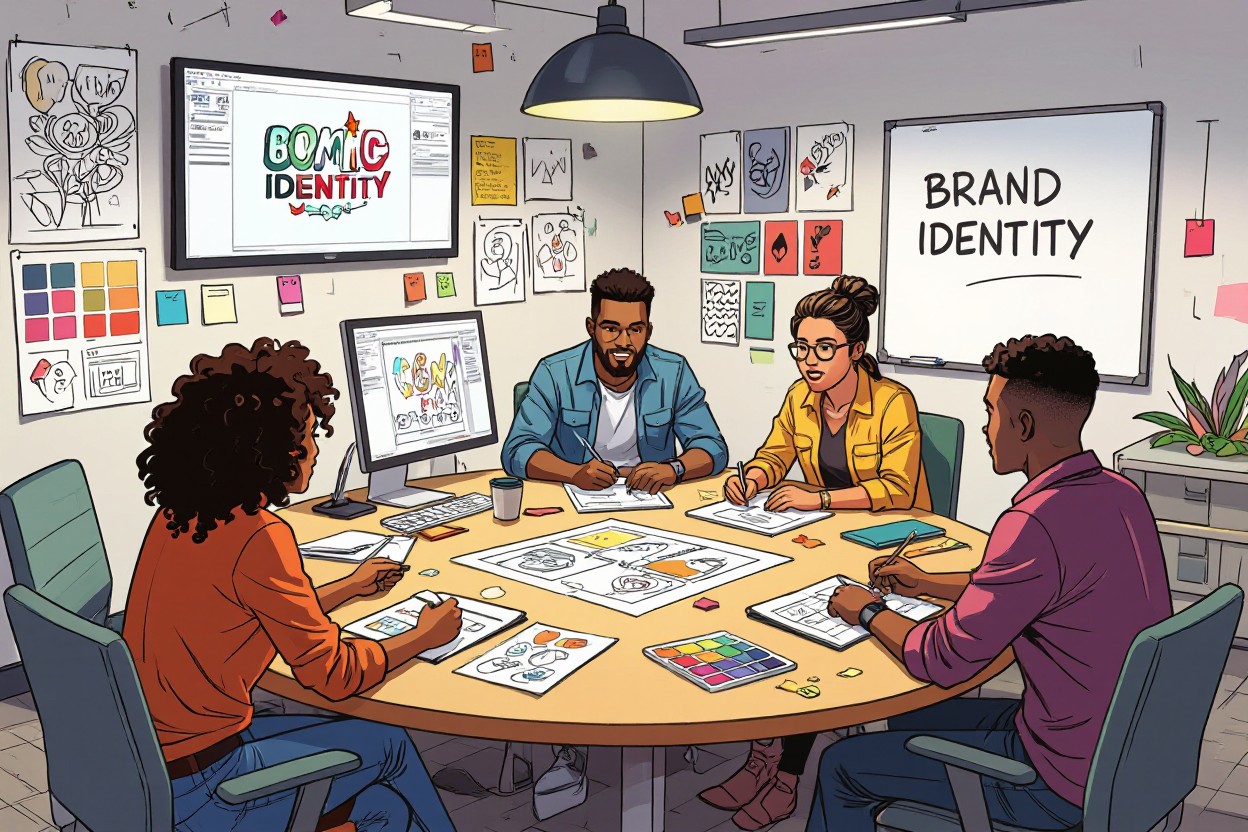
Visual Identity: Beyond Just a Logo
Your logo is a trigger, not the whole system; build a visual language that governs typography, iconography, photography, motion and layout so every touchpoint reads as one brand. Define spacing scales, responsive logo variants and a component library that developers can implement; companies like Airbnb and IBM achieved measurable consistency gains after launching comprehensive design systems. Studies show consistent brand presentation can lift revenue and recognition by roughly 20–30%, so treat visual identity as a productized asset, not a one-off deliverable.
Developing a Cohesive Visual Language
Create a living design system with prescribed type scales, color tokens, grid rules and icon families so designers and engineers reuse rather than recreate. Include use cases, dos and don’ts, and downloadable assets (SVGs, font packages, CSS variables). Look to Material Design or IBM’s Carbon for examples: both map components to accessibility rules and developer code, reducing implementation drift and speeding time-to-market for consistent campaigns and product interfaces.
The Role of Color Psychology in Brand Recognition
Color drives instant recognition—researchers report up to 90% of snap judgments about products relate to color—so pick a primary hue that aligns with your positioning: red for energy (Coca‑Cola), blue for trust (IBM), robin’s‑egg for luxury (Tiffany). Use A/B testing too: a well‑documented experiment showed a CTA color change yielding a 34% uplift in conversions, proving emotional impact translates to measurable outcomes.
Dive deeper by accounting for cultural meanings, accessibility and reproducibility: test palettes under WCAG contrast ratios, verify colorblind accessibility with tools like ColorBrewer or Stark, and define precise hex/RGB/CMYK values plus fallback patterns for grayscale printing. Avoid relying solely on color to convey information—pair with iconography or labels—and run device and print proofs so your chosen hues remain consistent across screens, printers and materials.
Digital Footprint: Establishing an Online Presence
You should claim and optimize your Google Business Profile, maintain consistent NAP (name, address, phone) across major directories like Google, Yelp, and Facebook, and serve your site over HTTPS with mobile-first design—Google switched to mobile-first indexing in 2018. Core Web Vitals and PageSpeed matter: studies show a 1-second delay can cut conversions by about 7%, so prioritize fast hosting, CDN, and compressed images to protect discoverability and conversions.
Building a User-Friendly Website
Design for immediate clarity: prominent CTAs, intuitive navigation, and accessible markup (WCAG) reduce friction and lower the average cart abandonment that hovers around 70%. Optimize Core Web Vitals—aim for under 3s load times—and run A/B tests and heatmaps (Hotjar, Google Optimize) to iterate. Secure checkout, guest purchase options, and clear shipping info typically lift conversion rates by double-digit percentages in short test cycles.
Leveraging Social Media Platforms for Engagement
Map each platform to audience and intent: use Instagram and TikTok for discovery with short-form video, LinkedIn for B2B thought leadership, and X for real-time conversation. Encourage user-generated content—brands like Glossier scaled via community posts—and track engagement rate, reach, and CTR to compare organic vs. paid performance. Your voice should be consistent and tailored per channel to turn followers into advocates.
Operationalize social strategy with a content calendar, posting cadence, and testing plan: post 3–7 times weekly on visual platforms, maintain daily activity on fast channels, and allocate roughly 10–20% of your marketing budget to paid social tests. Use platform analytics to A/B test creatives, optimize audiences, and set SLA for community replies (aim for under 24 hours). Measure lifts in reach, engagement, and conversions to justify channel spend and creative shifts.
Authentic Storytelling: Connecting with Your Audience
Center your messaging on real moments — founder setbacks, customer transformations, or a product’s development story — to forge emotional ties. Brands like Airbnb scaled by elevating hosts’ stories, helping them reach over 4 million listings by 2019, while Patagonia’s activist narratives deepened loyalty without heavy discounting. You should map which moments in your customer journey generate the strongest emotional response and use those as recurring motifs across channels.
Using Narratives to Communicate Your Brand
Craft narratives with a clear protagonist, conflict, and resolution so your audience follows a familiar arc: show a customer struggling, introduce your solution, then demonstrate the outcome. Short video ads of 60–90 seconds work well for long-form platforms, while 15–30 second micro-stories perform on social feeds. Consider Nike-style athlete profiles for hero-driven storytelling and test which format drives higher engagement on each channel.
Integrating Customer Testimonials and Experiences
Surface customer voices through written quotes, 30–60 second video testimonials, and authentic UGC to validate your claims; Glossier scaled by prominently featuring customer photos and feedback, contributing to rapid community growth and a billion-dollar valuation. You should prioritize testimonials from diverse use cases and include specifics—metrics, timelines, or before/after outcomes—to make each endorsement tangible.
Make collection simple: request a 2–3 sentence quote or a 30-second phone video within 7–14 days post-purchase, offer structured prompts (problem, solution, result), and obtain permission for multi-channel use. Place testimonials on product pages, the homepage, and in paid ads, mark up reviews with schema for rich snippets, and A/B test placements to measure conversion lift and influence on metrics like average order value and repeat purchase rate.

Measuring Brand Impact in Real-Time
You should build dashboards that track branded search volume, share-of-voice, sentiment, and conversion lift hourly so you spot campaign momentum within 24 hours. Use event-based GA4 for on-site behavior, social listening for sentiment shifts, and quick brand-lift surveys to quantify ad impact. Rapid A/B tests and cohort analysis let you pivot messaging or creative before spend escalates, turning near-live data into tactical decisions that preserve brand consistency and ROI.
Utilizing Analytics for Brand Strategy Adjustments
Segmented dashboards in GA4, Mixpanel, or Adobe let you compare organic vs. paid brand conversions, track CTR and conversion rate by creative, and run lift tests. Set alerts for a >10% drop in branded CTR or a >5% spike in bounce rate to trigger creative or targeting changes. Run weekly cohort analyses and map UTM-tagged campaigns to customer lifetime value so you can reallocate budget to high-performing channels within 48 hours.
Gathering and Responding to Customer Feedback
Deploy NPS and short in-app surveys to capture sentiment directly, and combine that with social listening tools like Brandwatch or Sprout Social for real-time complaints. Aim to reply to social mentions under one hour and to email or support tickets within 24 hours to prevent negative sentiment amplification. Track feedback volume by theme so you can prioritize fixes that move NPS or CSAT most efficiently.
Automate feedback routing into your CRM and product board so you can tag each item by sentiment, feature request, or service issue, then aggregate weekly to spot the top three themes. Close the loop by notifying customers when changes ship; that practice can lift retention—one mid-market SaaS reported a 15% drop in churn after acting on prioritized in-app requests. Use sentiment scoring and NPS cohorts to measure whether fixes deliver measurable brand uplift over 30–90 day windows.
Summing up
So you build a strong brand identity in the digital age by clarifying your purpose and audience, crafting a consistent visual and verbal style, delivering authentic content across channels, and engaging directly with your community. Measure performance, iterate based on data, and protect brand standards so your presence feels coherent, recognisable, and valuable to customers.