
Currently Empty: 0,00 €


Fitness
Unlock Your Potential with Powerful Fitness Tips
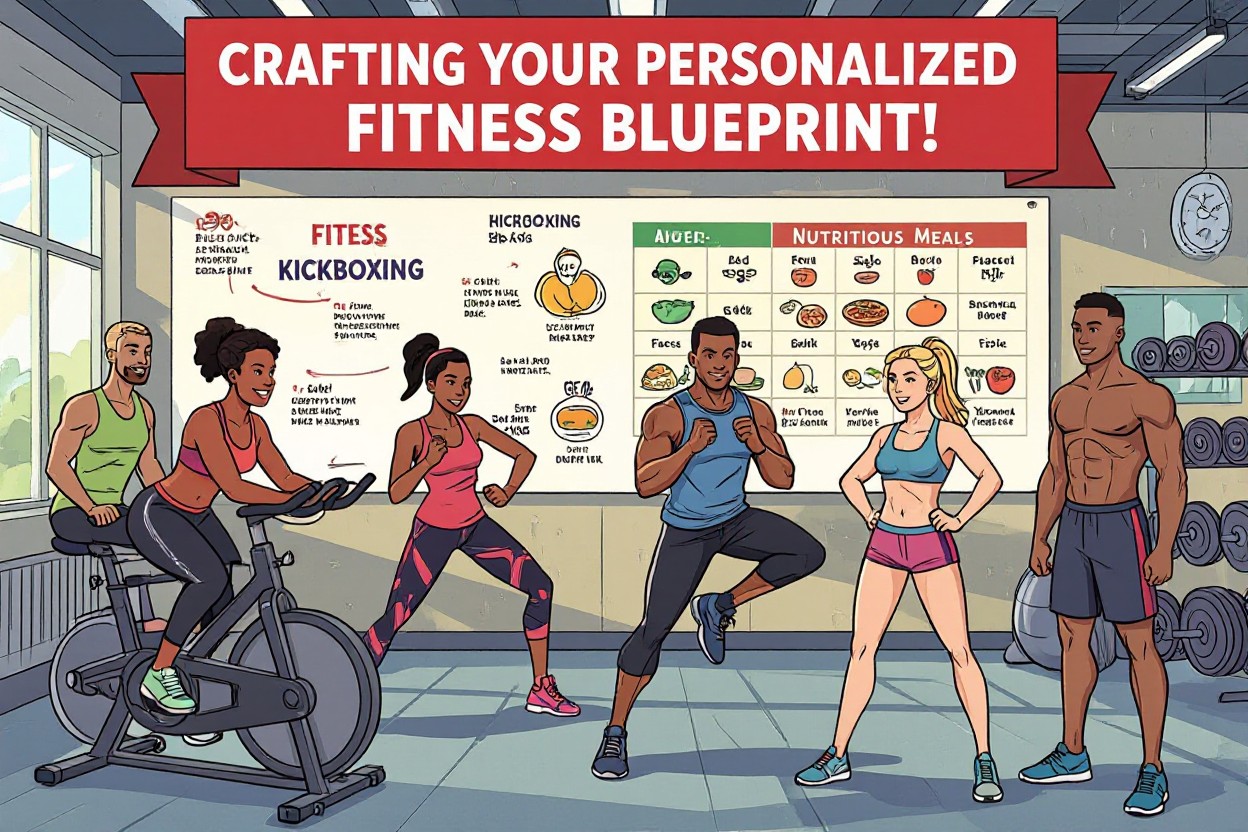
Overhaul your fitness routine with targeted strategies that maximize your strength, stamina, and recovery. This guide gives evidence-based tips on goal setting, progressive overload, nutrition timing, and mobility so you can train smarter, avoid plateaus, and make measurable progress. Follow practical steps, track results, and adjust intelligently to unlock sustained gains and confidence.
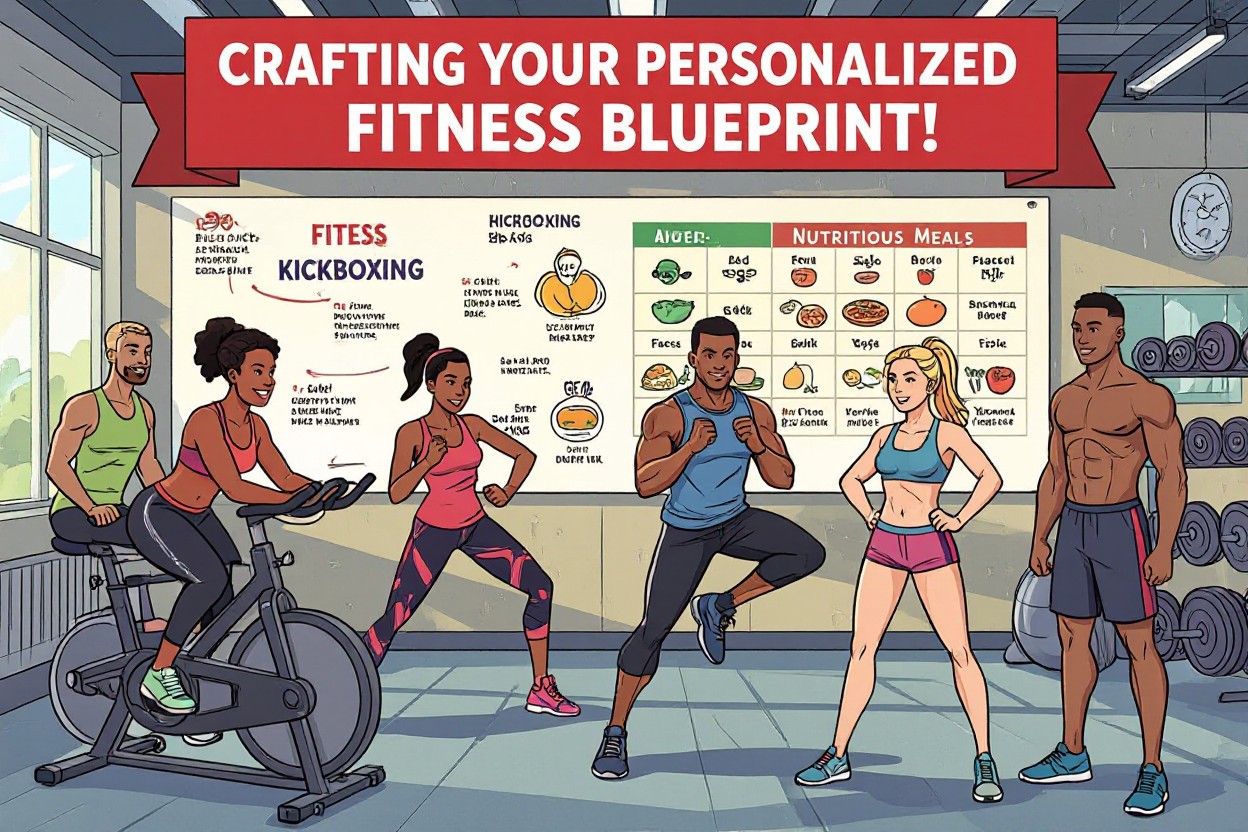
Crafting Your Personalized Fitness Blueprint
Assessing Your Current Fitness Level
You can benchmark your starting point with simple, repeatable tests: record resting heart rate (60–100 bpm), perform a 1.5-mile run for aerobic baseline, test a 1RM or 5-rep max for strength, time a plank and count push-ups in 60 seconds, and note body-fat percentage or waist measurements. Use a heart-rate monitor or app to estimate VO2 and track these metrics over 4–6 weeks to spot trends and set realistic progression rates.
Defining Clear, Achievable Goals
Set SMART goals with concrete numbers and deadlines: for example, lose 6–8 lbs in 8 weeks, increase squat 1RM by 15% in 12 weeks, or run a 5K under 25 minutes within 10 weeks. Assign weekly milestones and measure progress with objective metrics so you can adjust training or nutrition if needed.
Break larger goals into micro-goals tied to weekly volume, intensity, and recovery: aim for progressive overload by increasing load or reps ~2–5% every 2–4 weeks, target protein intake of 1.6–2.2 g/kg bodyweight, and use a 300–500 kcal daily deficit for sustainable fat loss. Track photos, measurements, and one benchmark test monthly; a client improved their 5K from 28 to 24 minutes in 8 weeks by adding two interval sessions and one tempo run per week while monitoring sleep and RPE.
The Power of Nutrition: Fueling Your Fitness Journey
Understanding Macronutrients and Micronutrients
Focus on balancing macronutrients: aim for 1.6–2.2 g protein per kg bodyweight to support muscle growth, 3–7 g carbs/kg depending on training volume, and fats at ~20–35% of daily calories for hormone and energy needs. Pay attention to micronutrients—vitamin D (600–800 IU/day), iron (8–18 mg/day), calcium (1,000–1,300 mg/day), and magnesium—since deficiencies impair recovery and performance. Track your intake with a food log or app and adjust based on whether you’re in a strength or endurance phase.
Meal Timing and Its Impact on Performance
Eat a pre-workout meal 1–3 hours before training with 30–60 g carbohydrates and 20–30 g protein (example: 1 cup oats, banana, 20 g whey). After training, prioritize a 30–60 minute recovery window where you should consume 20–40 g fast-digesting protein and roughly 0.5–0.7 g/kg carbohydrates to begin glycogen resynthesis; this is especially important between multiple daily sessions or competitions.
During workouts longer than 75–90 minutes you should ingest 30–60 g/hour of carbohydrates; for ultra-endurance efforts >2.5 hours, aim for 60–90 g/hour using a mix of glucose and fructose to increase absorption and reduce GI issues. You should also space protein evenly across the day—about 0.4 g/kg per meal over 3–5 meals—to maximize muscle protein synthesis; evidence shows total daily protein (1.6–2.2 g/kg) matters most for gains. Fasted sessions can boost fat oxidation but often lower output, so choose them purposefully based on your goals.
The Unseen Importance of Rest and Recovery
The Science Behind Muscle Recovery
Muscle protein synthesis ramps up after resistance sessions, peaking roughly 24–48 hours while satellite cells repair microtears; adequate sleep (7–9 hours) enhances slow‑wave sleep when growth hormone pulses occur, and glycogen stores are typically replenished within 24 hours with proper carbohydrate intake. You’ll see performance gains only when training stress, nutrition (1.6–2.2 g/kg/day protein), and sleep align to let adaptive processes complete between sessions.
Techniques for Maximizing Recovery
Prioritize a post‑workout window with 20–40 g high‑quality protein and 0.5–0.7 g/kg carbs within 1–2 hours, add 10–20 minutes of low‑intensity active recovery (≈30–60% VO2max) to speed lactate clearance, and use nightly sleep hygiene to secure 7–9 hours; consider cold water immersion (10–15°C for 8–12 minutes) or compression for acute soreness, and schedule a deload every 3–6 weeks with a 40–60% volume reduction.
Build a simple recovery routine: after sessions take 25–30 g whey, follow with a 10‑minute easy bike or brisk walk, spend 8–10 minutes foam rolling major muscle groups, and maintain a fixed bedtime to hit 7–9 hours. Track subjective soreness and training RPE; if soreness and RPE rise for 7–10 days, insert a deload week (reduce volume/intensity 40–60%) or add an extra sleep night. You’ll recover faster by turning these practices into habits rather than one‑off fixes.
Effective Workouts: Beyond the Basics
Incorporating High-Intensity Interval Training (HIIT)
Alternate 30–60 second maximal efforts with equal or slightly longer rest for 10–20 minutes to maximize cardiovascular and metabolic gains; for example, 30s sprint/60s walk repeated 10–12 times on a bike or treadmill. Perform HIIT 2–3 times weekly to improve VO2max, cut workout time, and elevate post-exercise calorie burn for hours. Use kettlebell swings, burpees, or cycling sprints to vary stimulus and monitor intensity with perceived exertion or heart-rate zones (85–95% of max during work intervals).
The Role of Strength Training for All Ages
Integrate 2–3 weekly strength sessions focusing on compound lifts—squat, deadlift, press, row—to build functional strength and maintain muscle mass. Aim for 3–4 sets of 6–12 reps at roughly 60–80% of your 1RM for hypertrophy and strength; beginners can start with bodyweight or light loads and progress by 5–10% when you can exceed target reps. Consistent loading preserves metabolism and supports bone health across decades.
If you work with adolescents, supervise progressive resistance training that prioritizes technique and moderate loads to boost motor skills and bone accrual. For older adults you should begin with 1–3 sets of 8–15 reps using machines, bands, or light free weights, focusing on balance and tempo to reduce fall risk. Sample 12-week progression: weeks 1–4 emphasize technique and 2 sessions/week at RPE 5–6; weeks 5–8 increase to 3 sessions and add 5% load when you exceed target reps; weeks 9–12 push to RPE 7–8 with 48–72 hours rest between similar muscle groups. Track load, reps, and RPE to safely apply progressive overload.
Mind Over Muscle: The Mental Game of Fitness
Building Resilience and Dealing with Setbacks
Treat setbacks as data: log training load, sleep, and mood for 7–14 days to spot patterns, then adjust volume by 10–20% or swap high-impact sessions for mobility work. Set micro-goals—weekly strength or consistency targets—and celebrate small wins like three consecutive workouts or a 2.5–5% load increase. Create if-then plans (“if you miss a session, then do a 20-minute active recovery”) and use an accountability partner or coach to preserve momentum.
Visualization Techniques for Success
Practice 10–15 minutes of vivid mental rehearsal daily, using first-person perspective to run entire movement sequences—warm-up through finish. Include sensory details: muscle tension, breath cadence, floor contact, and timing for a 3×5 squat at 80–85% 1RM. Short, specific imagery before a session can sharpen focus and reduce pre-lift hesitation.
Use a three-step visualization routine: (1) two minutes of paced breathing, (2) 5–10 minutes of first-person rehearsal with exact tempo and cues, (3) one minute of outcome affirmation. Neuroimaging shows motor cortex engagement during imagery, and athletes who combine mental rehearsal with physical training often acquire technical skills faster than with practice alone; try visualization before sleep or immediately pre-training to prime movement patterns and calm nerves.
The Role of Consistency: Small Steps to Big Changes
Establishing a Sustainable Routine
Build a weekly plan you can repeat: three strength sessions of 30–45 minutes plus two 20–30 minute cardio or mobility sessions fits most schedules. Schedule workouts like appointments, aim for progressive overload by adding 2.5–5% to load or 1–2 reps each week, and prioritize recovery with 7–9 hours of sleep and 1.6–2.2 g/kg protein intake. Use 3-week blocks—two hard, one lighter—then reassess to keep gains steady without burning out.
Tracking Progress to Stay Motivated
Log sets, reps, weight, RPE, rest intervals, body weight and at least one performance metric (5K time, 1RM estimate, or VO2 proxy) so trends become visible. Use a simple app or spreadsheet and review four-week trends; people who consistently track workouts report better adherence and faster strength gains—bench increases of 10–20% over 12 weeks are common when tracking guides small, regular adjustments.
Use weekly and monthly reviews to turn raw entries into action: chart volume (sets × reps × weight), flag two-week stagnation, then change volume by 10–20% or schedule a deload. Set SMART targets like “increase squat 1RM by 5–10% in 12 weeks,” and employ objective markers—RPE, bar speed, resting HR—for fine-tuning. One client raised a deadlift from 180 to 240 lbs in 16 weeks by logging every session, adding ~5 lbs when form stayed clean, and implementing a deload every fourth week, which kept progress consistent and injuries low.
Community and Support: Finding Your Tribe
The Benefits of Group Workouts and Classes
Joining group workouts increases consistency: research shows class-based exercisers attend sessions about 30% more often than those training alone. In a 45-minute HIIT or spin class you can burn roughly 400–600 calories while getting real-time coaching; instructors fix form, scale intensity, and introduce varied stimuli to prevent plateaus. Social accountability from teammates and post-class meetups often turn fitness into a sustainable habit.
Online Fitness Communities: A Modern Approach
Platforms like Strava, Peloton, and MyFitnessPal connect millions of users, letting you join clubs, compete on leaderboards, and follow structured programs. Virtual classes with live chat replicate studio energy while asynchronous groups offer daily check-ins and accountability threads. Community features help you stay motivated, discover programming, and get feedback without commuting to a gym.
Choose communities with evidence-based coaches and active moderation; evaluate engagement by posts per day and visible member progress. Join a 30-day challenge with measurable goals (for example, three strength sessions weekly or a 10% load increase) to track adherence. You can convert online connections into local training partners via Facebook groups or Meetups, and mute toxic threads to keep focus on progress rather than perfection.
Advanced Strategies for the Committed Fitness Enthusiast
- Structured periodization and planned intensity blocks
- Autoregulation using RPE, RIR, and AMRAPs
- Advanced set structures: cluster sets, rest-pause, and drop sets
- Tempo manipulation and eccentric overload protocols
- Data-driven recovery: sleep, HRV monitoring, and strategic deloads
- Targeted nutrition timing and evidence-based supplementation
Advanced Strategy Breakdown
| Strategy | Practical Implementation / Example |
| Block Periodization | 4–6 week hypertrophy block (8–12 reps, 65–75% 1RM) → 3–5 week strength block (3–6 reps, 80–90% 1RM) → 1–2 week peaking/taper |
| Autoregulation | Use RPE 7–9 or leave 1–2 RIR; adjust weekly load based on last 3 sessions’ average RPE |
| Advanced Sets | Cluster sets (4×3 reps with 20–30s rests) for CNS-friendly heavy work; drop sets for metabolic stress at end of session |
| Tempo & Eccentrics | Prescribe 3–5s eccentrics twice weekly for hypertrophy; pair with 1–2s concentric for power days |
| Recovery Scheduling | Deload every 4–8 weeks (reduce volume 40–60%); track HRV and prioritize 7–9 hours sleep |
Periodization: Structuring Your Training for Optimal Gains
Adopt a macro-to-micro plan: map a 6–12 month macrocycle with 3–4 mesocycles (4–8 weeks each). Alternate hypertrophy (8–12 reps, moderate volume), strength (3–6 reps, high intensity), and power phases (1–5 reps, explosive intent). Use weekly microcycles to concentrate fatigue—example: heavy lower, light upper, accessory, active recovery—so you progress intensity while managing cumulative load and minimizing plateaus.
Exploring Supplementation: When and What to Consider
Lean on supplements when deficits, dietary gaps, or training volume demand exceed practical intake; prioritize creatine monohydrate (3–5 g/day), whey protein (20–40 g post-workout), and omega‑3s (1–3 g EPA+DHA). Use caffeine 3–6 mg/kg for acute performance boosts and check vitamin D via blood test before supplementing 1,000–4,000 IU daily.
Assess supplementation based on objective markers: blood work, training logs, and recovery metrics. Creatine consistently increases strength and lean mass—studies show 5–15% short-term strength gains—so implement 3–5 g daily (optional 20 g/day loading for 5–7 days). Whey supports rapid post-workout aminoacidemia; aim for ~0.25–0.40 g/kg per meal or 20–40 g after sessions to hit a leucine threshold (~2.5 g) that maximizes muscle protein synthesis. Choose third‑party tested brands, avoid chronically high stimulant doses, and consult a clinician if you take medications or have health conditions.
Final Words
With this in mind, you can consistently apply these powerful fitness tips to transform your routine, optimize performance, and build sustainable habits; focus on progressive overload, balanced nutrition, consistent recovery, and measurable goals so your efforts yield real results and you maintain momentum toward long-term health and strength.