
Currently Empty: 0,00 €


Business
Starting SEO as your Home Based Business policy
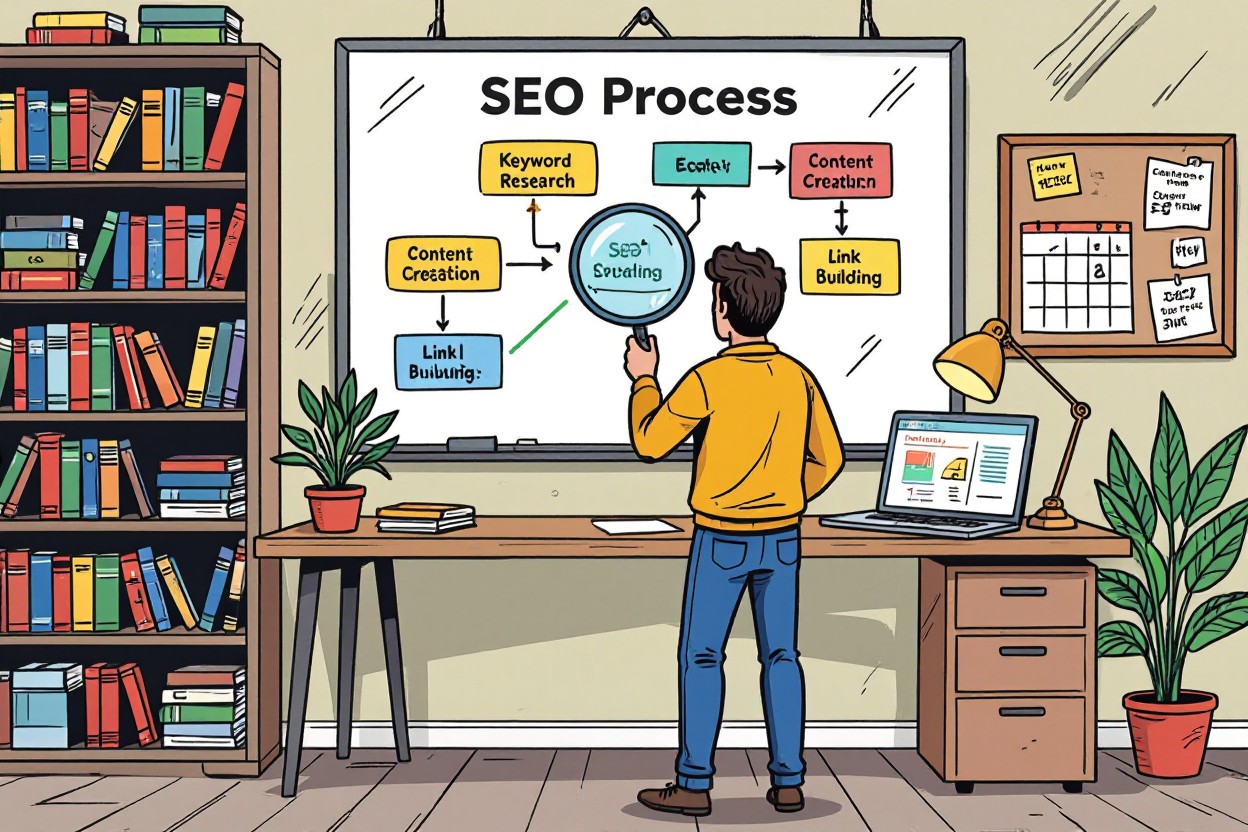
You should establish a clear SEO policy for your home-based business that defines target keywords, on-page optimization, content cadence, and local search tactics so your site ranks for customers who matter; implement analytics to measure progress, prioritize user intent and mobile performance, and document processes for consistent execution and scaling as your business grows.
Building a Solid Foundation: Essential SEO Knowledge
Key Terminology Every Newbie Should Know
You need to internalize terms like SERP (search engine results page), organic traffic, backlinks, CTR (click-through rate), bounce rate, indexation, canonical tags, meta title/description, schema markup, and crawl budget. Expect the top organic result to capture roughly 28–30% CTR on competitive queries, and know that a sitemap helps search engines find pages faster. Using these terms correctly lets you diagnose issues faster and communicate with freelancers or agencies without confusion.
The Importance of Search Engine Algorithms and Their Evolution
Search algorithms dictate which pages surface for over 3.5 billion daily Google queries, and major updates have shifted priorities: Panda (2011) punished low-quality content, Penguin (2012) targeted spammy links, Hummingbird (2013) improved semantic matching, RankBrain (2015) introduced ML-based query interpretation, BERT (2019) advanced contextual understanding, and MUM (2021) expanded multimodal, multilingual comprehension. Tracking these pivots shows why content quality, natural links, and relevance matter more than exact keyword matches.
Adapting to algorithm evolution means auditing content every 3–6 months, using Google Search Console to spot drops, and prioritizing signals that consistently matter: user satisfaction (measured by dwell time and CTR), page experience (Core Web Vitals rolled out as ranking signals in 2021), mobile-first indexing (default since ~2020), and authoritative backlinks. You should run periodic link audits to remove toxic inbound links, implement structured data for rich results, and treat machine-learning updates as nudges toward better semantics and UX rather than one-off fixes.
Crafting Your Unique SEO Strategy: Tailoring to Your Niche
Identifying and Researching Your Target Audience
Map your ideal customer by combining demographics (age, location, income) with search behavior: use Google Analytics, Search Console and Keyword Planner to find queries with 100–1,000 monthly searches that match buying intent. Segment by intent—informational, navigational, transactional—and prioritize long-tail phrases like “affordable eco baby blankets UK” if you sell handmade textiles. Run quick surveys or Facebook Audience Insights to validate pain points, then build content clusters that answer specific questions and push high-intent queries toward product pages.
Competitor Analysis: Learning from the Best
Audit your top 3–5 competitors with Ahrefs or SEMrush to list their top 10 organic keywords, best-performing pages, and referring domains; note competitors with 100+ referring domains as backlink targets. Compare content length, use of schema, and page speed—if a rival ranks with 1,500–2,000 words and 15 backlinks, plan to match depth and acquire comparable links. Turn those gaps into a prioritized action list for your site.
Dig deeper by crawling competitor pages to extract word counts, H‑tag structure, multimedia usage and internal linking patterns; aim to exceed their average by 20–30% where appropriate, add unique case studies or original data, and target 5–10 high-quality backlinks from industry blogs or local directories. Case study: a home-based tutor replicated competitor topics, added 3 detailed lesson plans and outreach for 8 guest posts, achieving a 60% organic traffic lift in four months.
Tools of the Trade: Essential SEO Software and Resources
Top Free and Paid SEO Tools for Beginners
You should start with Google Search Console and Google Keyword Planner (free with a Google Ads account) plus Google Analytics for traffic data; add Screaming Frog (free crawl up to 500 URLs) for technical audits and MozBar for quick on-page checks. Scale up with Ahrefs (from $99/month) or SEMrush (around $119.95/month) for keyword research, backlink profiles and competitor intel, and use Yoast or Rank Math as your WordPress on-page plugin.
Setting Up Your SEO Toolkit: Navigating Installation and Usage
Begin by verifying your site in Google Search Console and linking Google Analytics to get query and behavior data; install Yoast or Rank Math in WordPress and configure XML sitemaps and schema; download Screaming Frog to your desktop and run an initial crawl to find 404s and duplicate titles; add API keys for Ahrefs or SEMrush to enable deeper reports and schedule regular exports.
Prioritize a repeatable workflow: connect Search Console + Analytics, run Screaming Frog weekly and export CSVs, perform a monthly backlink audit in Ahrefs or SEMrush, and use Surfer or Page Analyzer for content edits. Automate reports where possible (daily/weekly email exports) and use browser extensions like MozBar or Lighthouse for quick checks during content publishing.
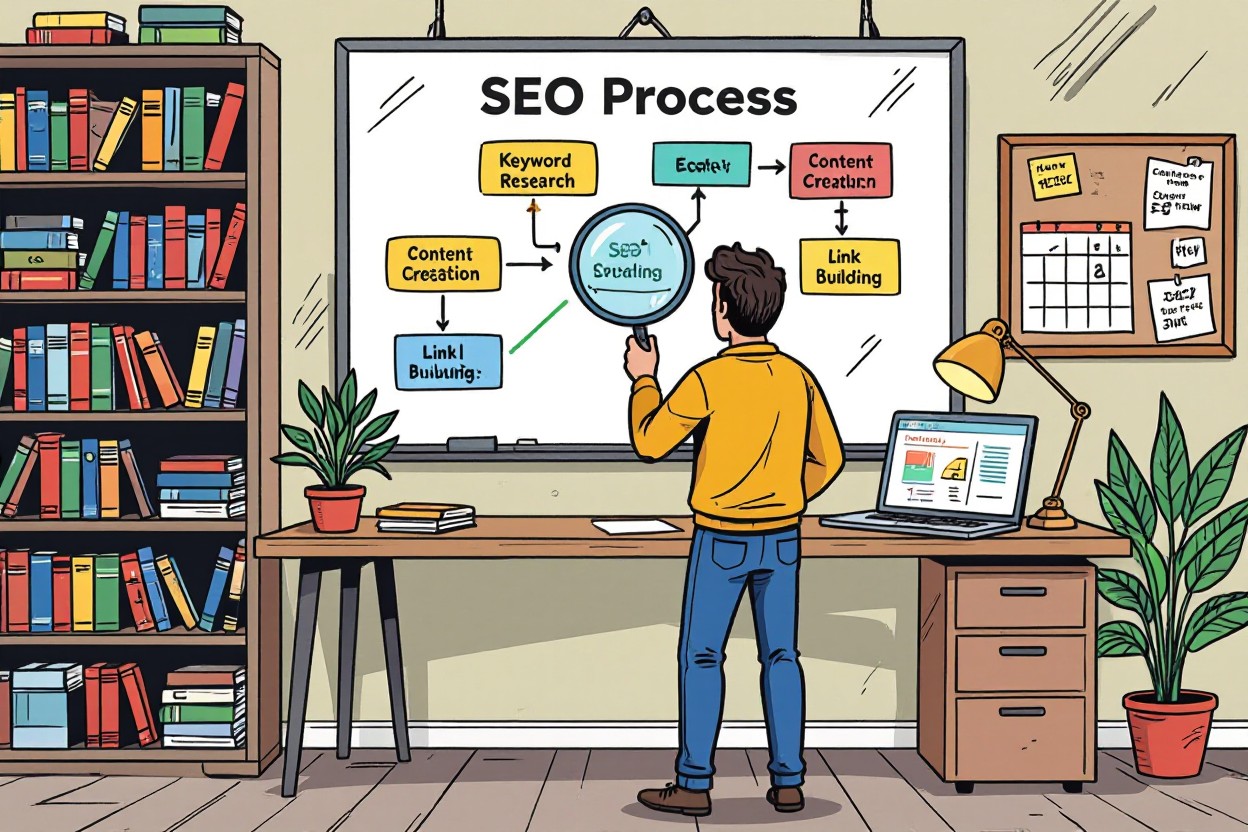
Content is King: Creating SEO-Friendly Content
The Art of Keyword Research: Finding Your Golden Keywords
Use tools like Google Keyword Planner, Ahrefs, and Ubersuggest to identify keywords with 200–1,000 monthly searches and keyword difficulty (KD) under ~30; target long‑tail phrases (over 70% of queries) such as “home bookkeeping for freelancers” to capture intent. Run a top‑10 SERP analysis to spot content gaps, prioritize transactional or informational intent per page, and cluster 5–10 related keywords around one pillar topic to drive relevancy and quicker ranking gains.
Structuring Content for Maximum Visibility and Engagement
Organize pages with a clear H1, H2s/H3s for subtopics, and 1,200–1,800 words for pillar posts—Backlinko found top‑ranking pages average ~1,447 words—while using short paragraphs (30–60 words), bullet lists, images with descriptive alt text, and meta descriptions of 120–160 characters to improve CTR. Include 3–5 internal links and schema (FAQ/HowTo) to boost discoverability and engagement.
Adopt an inverted‑pyramid flow: lead with a concise 40–60 word summary that answers the primary query, then expand with actionable steps, examples, and data. Structure for featured snippets by placing a 1–3 sentence (40–60 word) direct answer under a question H2, followed by a numbered or bulleted how‑to list; add a table of contents for long posts and use schema markup to increase chances of rich results. Track time‑on‑page and CTR, iterating headings and CTAs—A/B test two headline variants and measure changes in organic clicks over 30–90 days to refine layout.
Technical SEO: Laying Down the Groundwork
On-Page SEO Checklist: Optimizing Site Structure and Meta Tags
Keep URLs short, hyphenated, and keyword-focused; use a single H1 per page with descriptive H2/H3 sections; craft title tags around 50–60 characters and meta descriptions up to 155–160 characters; implement canonical tags, XML sitemap and robots.txt; add Schema.org markup (LocalBusiness/Product) for richer results; compress images under ~100 KB with meaningful alt text; maintain 3–5 internal links per page to relevant content and ensure mobile-first responsive design and fast load times to support crawling and UX.
Understanding Off-Page SEO: Building Authority Through Backlinks
Acquire links from relevant, authoritative sites—one link from a domain with DA/DR 50+ often outweighs dozens from low-quality sites; diversify anchors, pursue local citations (Google Business Profile, Yelp, industry directories) and guest posts on niche blogs, and track backlinks with Ahrefs or Moz to spot gains; aim for relevance and authority rather than raw volume to move rankings and referral traffic.
Use outreach tactics like targeted guest-post pitches, broken-link reclamation, and HARO responses; partner with complementary local businesses for co-marketing links or sponsorships; prioritize 5–10 high-quality placements over mass submissions—many home-based businesses see measurable backlink-driven traffic increases within 3–6 months; disavow spammy links and monitor referral spikes in Google Search Console to measure impact.
Analytics and Measurement: Tracking Your Progress
Setting Up Google Analytics: A Step-by-Step Guide
You can get GA4 running quickly by creating a Google account, adding a GA4 property, installing the global site tag or Google Tag Manager snippet, enabling Enhanced Measurement, linking Search Console, and configuring conversion events like form_submissions or purchases for accurate ROI tracking.
Setup Steps
| 1. Create account | Sign into analytics.google.com and create an account for your business. |
| 2. Add GA4 property | Choose GA4, note the Property ID (G-XXXXXX), and set reporting timezone. |
| 3. Install tag | Paste gtag.js into site header or deploy via Google Tag Manager container. |
| 4. Enable Enhanced Measurement | Toggle page_view, scrolls, outbound clicks, and file downloads in property settings. |
| 5. Link Search Console | Connect to see queries, impressions, and CTR for organic pages. |
| 6. Configure conversions | Mark events (e.g., form_submit, purchase) as conversions; test with real events. |
| 7. Filter internal traffic | Set a filter by IP or use a developer query param to exclude your visits. |
| 8. Validate data | Use Realtime and DebugView to confirm events fire; check daily for anomalies. |
Key Metrics Every SEO Newbie Must Monitor
Track organic sessions, impressions, average position, and CTR to judge visibility; monitor conversions and conversion rate to measure value; use engagement rate, average session duration, and pages per session to evaluate content quality—aim for average position <10 for first-page exposure and CTR lifts above 2–3% after title/meta tweaks.
Dig into query-level data: if a page ranks #7 with 1.2% CTR, improving title and meta to increase CTR to 3% can roughly double traffic from that query; set monthly benchmarks (e.g., +10% organic sessions, +15% conversions) and compare 28- and 90-day windows to detect trends versus normal seasonality.
Staying Ahead of the Curve: Adapting to SEO Trends
The Growing Role of Voice Search and AI in SEO
Voice queries now account for 20–30% of mobile searches in many categories, pushing you to optimize for conversational, long-tail phrases and question-format content; leverage schema markup, FAQ sections, and concise answer snippets to win featured snippets and smart assistants, while using AI tools like GPT and Google’s MUM to draft and test variations faster—validate by checking voice results on Google Assistant and Alexa and tracking changes in impressions and click-throughs via Search Console.
Predicting the Future: Staying Relevant in an Ever-Changing Landscape
Google makes hundreds of search algorithm tweaks annually and several broad core updates each year, so you should run audits every 90 days, track SERP volatility with tools like SEMrush or Moz, and prioritize E‑E‑A‑T-driven content—focus on demonstrable experience and expertise in 1–3 pillar pages, keep local Business Profile data current, and diversify traffic by combining organic, local, and paid channels.
Run a technical audit every 90 days covering crawlability, Core Web Vitals, and index coverage; perform a content gap analysis quarterly to identify low-hanging pages to optimize (title/meta refresh, add schema, or expand to 800–1,200 words where appropriate). Test title tags and featured-snippet phrasing in two-week cycles, aim to earn 1–3 high-quality backlinks per month from niche sites or local partners, and document KPI changes (rankings, clicks, conversions) so you can correlate actions to results—this iterative, data-driven rhythm helped many solo entrepreneurs double organic leads within six months.
Final Words
As a reminder, when you start SEO as your home-based business policy, establish clear guidelines for client communication, pricing, data handling, and time management, document workflows to ensure consistency, invest in training, track measurable outcomes, and comply with local regulations so you protect your reputation and scale responsibly.